
The blood channels known as the coronary arteries carry blood to the heart. Coronary artery disease is the result of cholesterol plaque building up inside the arterial walls. The blood arteries may become completely blocked or narrowed as a result of this.
The heart’s need for oxygen and nutrients increases when it is deprived of a sufficient blood flow. This may result in angina (chest discomfort), or in more extreme circumstances, a heart attack (damage to the heart muscle).
Coronary artery disease frequently takes years to develop. Before a substantial blockage creates issues or a heart attack happens, symptoms could go unrecognized. Coronary artery disease can be avoided by living a heart-healthy lifestyle.
Coronary heart disease is another name for coronary artery disease.
Keep an eye out for symptoms.
Initial symptoms could not be seen at all or may appear only under certain conditions, such as during exercising when the heart is beating quickly. You can click here for more on the symptoms of the disease.
As the coronary arteries narrow, the amount of blood that reaches the heart decreases, and symptoms may get worse or occur more frequently.
Angina
Your chest could feel constrained or tight. Some people say it feels like having someone stand on their chest. The middle or left side of the chest are the main locations for chest discomfort. Exertion or strong emotions might trigger angina.
Minutes after the trigger event has passed, the soreness frequently goes away. Some persons, especially women, may have brief or severe neck, arm, or back pain.
Fatigue and/or shortness of breath
You may experience unusual fatigue if the heart is unable to pump enough blood to fulfill your body’s demands. You can experience difficulty breathing, or feel like you can’t catch your breath.
Heart Attack
A heart attack is brought on by a fully clogged coronary artery. The traditional warning signs and symptoms of a heart attack include dyspnea, perspiration, pain in the arm or shoulder, and pressure or discomfort in the chest.
Less frequent symptoms that women may encounter include neck or jaw pain, fatigue, and nausea. Some heart attacks don’t result in any observable symptoms or indicators.
Get Tested
As soon as you believe you are having a heart attack, dial 911 or your local emergency number. Have someone transport you to the closest hospital if you don’t have access to emergency medical care. Only use driving oneself as a last resort.
You do not want to put anyone else at risk for a medical emergency while attempting to drive yourself to the hospital.
If you smoke, have high blood pressure, high cholesterol, diabetes, obesity, or have a strong family history of heart disease, you are more likely to develop coronary artery disease. Consult your healthcare practitioner if you have a high risk of developing coronary artery disease. It may be necessary to do tests to check for arterial narrowing and coronary artery disease.
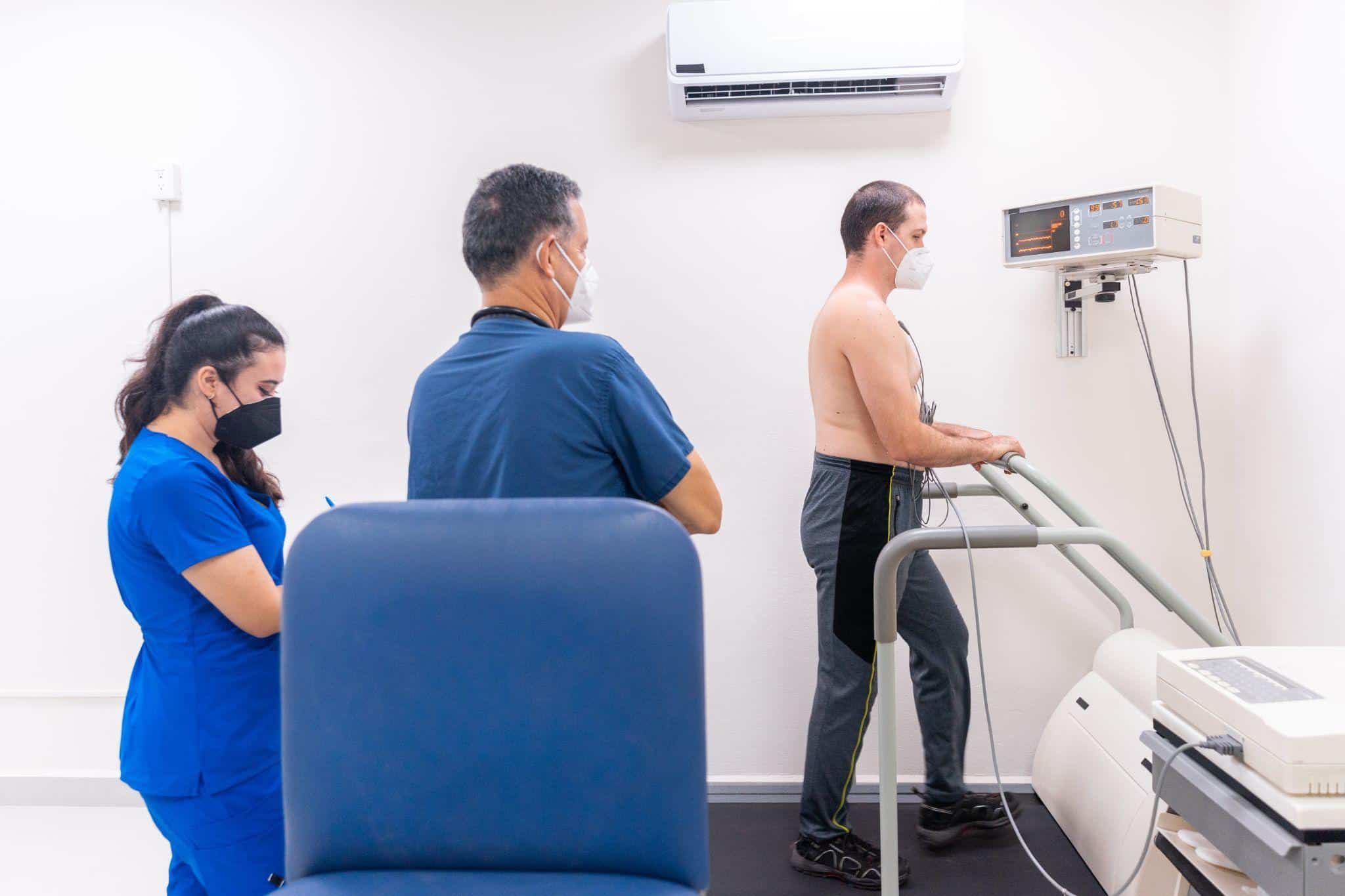 What kind of tests are there for detecting blocked arteries?
An X-ray procedure called a coronary angiography is performed to look at the coronary arteries that feed blood to your heart muscle. It is regarded as the most accurate way to identify disorders that damage the arteries that surround the heart, such as coronary artery disease.
This test is regarded as the gold standard for identifying coronary artery disease and is a minimally invasive procedure.
On a cardiac CT scan, calcium accumulation and artery blockages can be visible. Calcium deposits may cause the arteries to become narrower. During this test, dye may occasionally be infused through IV. The dye aids in producing precise images of the cardiac arteries.
Diagnosis
If your doctor has diagnosed you with coronary artery disease, the world hasn’t ended. However, that world must change by adopting some healthy habits and changing your lifestyle. You can reduce the current blockages and prevent others from forming by taking your doctor’s advice to heart.
Quitting smoking
Taking steps to stop smoking will greatly reduce the strain on your heart. Blood vessel plaque is more prone to form in smokers. Click here for more on blood vessel plaque.
Coronary heart disease happens when the arteries that carry blood to the heart muscle become narrowed by plaque or blocked with blood clots.
Smoke from cigarettes contains chemicals that make blood thicken and clot in veins and arteries.Quitting is hard, so partner with your physician to learn about the tools available to help you.
Change your diet.
Eating a heart healthy diet is a great way to help your heart do its best work. Eating a diet rich in Omega-3’s, like salmon and tuna is a great way to help reduce your risk of heart attack. Eating lots of fiber, like whole grain breads and oatmeal will help lower your bad cholesterol levels.
Soluble fiber-rich foods work to stop your digestive system from absorbing cholesterol. Your intake of important cholesterol-lowering compounds may increase if you eat a lot of fruits and vegetables. These substances, sometimes referred to as plant stanols or sterols, perform comparable duties as soluble fiber.
Limiting your salt intake
You should make an effort to keep your daily sodium intake (https://www.eufic.org/en/vitamins-and-minerals/article/sodium-foods-functions-how-much-do-you-need-more) to no more than 2,300 milligrams (or 1 teaspoon) of salt. That includes any salt you eat, regardless of whether it was put in while cooking, ingested at the table, or was already in food.
Even while it won’t lower your cholesterol, cutting less on salt can minimize your risk of heart disease by helping to lower your blood pressure. Instead, choose low-salt and “no added salt” dishes and spices at the table or in your cooking to lower your sodium intake.
Get Moving
Exercise can help avoid heart problems and enhance cardiovascular health.
Increase your routine and endurance gradually. Aim to do at least 150 minutes per week of moderate-intensity exercise. This can involve quick strolls.
Two days per week of muscle-strengthening exercises that target all muscle groups are also advised by the CDCTrusted Source. Yoga, the use of resistance bands, weight machines, or hand weights are all examples of muscle-strengthening exercises.
It’s crucial to see a doctor before beginning a new fitness regimen. If you’re unsure about whether the nature and level of your preferred activities are suitable for you, see a doctor. If you have specific physical issues, several forms of exercise could be dangerous.