When it comes to bulk storage, finding the right container can make all the difference in ensuring efficiency, safety, and cost-effectiveness. One of the most popular and versatile options on the market today is the IBC container. But how does it compare to other bulk storage solutions? In this blog, we will explore IBC containers, their features, and how they compare to other common storage solutions.
What Is an IBC Tank?
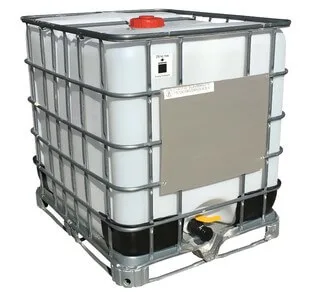
Before diving into comparisons, let’s first answer the question: what is an IBC tank? An IBC (Intermediate Bulk Container) tank is a large, reusable, and portable container used to store and transport bulk liquids, powders, granules, and semi-solids. IBC tanks typically range in size from 275 to 330 gallons and are made of durable materials like high-density polyethylene (HDPE), metal, or a combination of both. They are designed to be stackable, easy to handle, and efficient for both transport and storage.
Key Features of IBC Tanks:
- Capacity: Usually holds between 275 to 330 gallons.
- Design: Stackable, rectangular, or cubic in shape, maximizing storage efficiency.
- Material: Made of HDPE, stainless steel, or a combination, often with a metal cage for added protection.
- Versatility: Suitable for liquids, powders, and granules.
Applications of IBC Tanks:
- Industrial chemicals
- Food and beverage ingredients
- Pharmaceuticals
- Water storage
- Agricultural products
Now that we’ve established what an IBC tank is, let’s compare IBC containers with other bulk storage solutions.
IBC Containers vs. Drums
One of the most common alternatives to IBC containers is the traditional drum, often made of steel, plastic, or fiber. Drums come in sizes ranging from 5 to 55 gallons, making them a familiar choice in many industries.
Advantages of IBC Containers Over Drums:
- Capacity: IBC tanks hold significantly more volume (275-330 gallons) compared to drums, which means fewer containers are needed for the same amount of product.
- Space Efficiency: IBC containers’ cubic design makes them more space-efficient than cylindrical drums, allowing more product to be stored in a given area.
- Ease of Handling: IBC tanks are designed with forklift and pallet jack access, making them easier to move, transport, and stack.
- Reduced Spillage: IBC containers often have more secure closures and are less prone to tipping, reducing the risk of spills.
When Drums Might Be Better:
- Smaller Batches: Drums are more suitable for smaller volumes or when multiple smaller batches of different products are needed.
- Lower Initial Cost: Drums generally have a lower upfront cost, making them a more affordable option for smaller operations.
Verdict: IBC containers are superior for large-scale operations due to their higher capacity, space efficiency, and ease of handling.
IBC Containers vs. Plastic or Steel Tanks
Plastic and steel tanks are widely used for bulk storage, particularly for liquid products. They can range from a few hundred gallons to thousands of gallons, making them suitable for larger storage requirements.
Advantages of IBC Containers Over Tanks:
- Portability: Unlike fixed plastic or steel tanks, IBC containers are designed to be easily transported. Their stackable nature means they can be moved with minimal effort using standard equipment.
- Cost-Effectiveness: IBC containers are generally more affordable than large storage tanks and can be reused multiple times.
- Space-Saving: Because they are stackable, IBC containers take up less space when not in use, unlike fixed tanks that require dedicated space.
When Tanks Might Be Better:
- Permanent Storage: For permanent installations or facilities with ongoing high-volume storage needs, large tanks may be more efficient.
- Very Large Capacity: Tanks offer much larger storage capacities than individual IBC containers, making them ideal for extremely high-volume storage.
Verdict: IBC containers are the better choice for portable, flexible, and cost-effective storage, while fixed tanks are suitable for permanent and very large storage needs.
IBC Containers vs. Flexible Intermediate Bulk Containers (FIBCs)
Flexible Intermediate Bulk Containers (FIBCs), also known as bulk bags or big bags, are another popular option for storing and transporting bulk materials. They are made of woven polypropylene and can handle loads of up to 4,000 lbs.
Advantages of IBC Containers Over FIBCs:
- Durability: IBC tanks, especially those made of HDPE or metal, are more durable and robust than FIBCs, which are prone to wear and tear.
- Reusability: While FIBCs are often single-use or have limited reuse, IBC containers can be reused many times, making them more environmentally friendly.
- Liquid Storage: IBC containers are ideal for storing liquids, whereas FIBCs are primarily used for dry goods like grains, powders, and granules.
When FIBCs Might Be Better:
- Cost: FIBCs are generally cheaper than IBC containers, making them ideal for one-time use or short-term projects.
- Dry Goods: If you are handling dry, free-flowing products, FIBCs offer a flexible and lightweight option.
Verdict: IBC containers are more versatile and durable, especially for liquid storage, while FIBCs are a budget-friendly choice for dry bulk materials.
IBC Containers vs. 55-Gallon Barrels
Another popular alternative for smaller storage needs is the 55-gallon barrel. These barrels can be made of plastic, steel, or fiber and are widely used for various applications.
Advantages of IBC Containers Over 55-Gallon Barrels:
- Higher Capacity: An IBC container can store as much liquid as five to six 55-gallon barrels, reducing the number of containers needed for bulk storage.
- Stackability: IBC containers can be easily stacked, optimizing storage space in warehouses and transport vehicles.
- Better Handling: IBCs are designed with integrated pallet bases, making them easier to handle with forklifts or pallet jacks.
When 55-Gallon Barrels Might Be Better:
- Smaller Quantities: 55-gallon barrels offer a convenient solution for small batches or products that need to be separated into smaller quantities.
- Lower Cost: Barrels are typically less expensive than IBC tanks, making them a cost-effective choice for smaller-scale operations.
Verdict: IBC containers are more efficient for large-scale storage, while 55-gallon barrels are a practical option for smaller quantities.
Why Choose an IBC Container for Your Storage Needs?
Now that we’ve compared IBC containers to other bulk storage solutions, let’s summarize why they stand out:
- Versatility: IBC containers are suitable for a wide range of products, including liquids, powders, and granules.
- Efficiency: Their cubic design maximizes storage space, making them ideal for transporting and storing bulk products.
- Durability: Made from high-quality materials like HDPE or stainless steel, IBC tanks can withstand harsh conditions and ensure long-term use.
- Cost Savings: Reusable and stackable, IBC containers provide significant cost savings over time compared to single-use or less efficient options.
Environmental Impact of IBC Containers
Another advantage of IBC containers is their eco-friendliness. By being reusable, IBC tanks reduce the need for single-use packaging, lowering waste and minimizing environmental impact. Many IBCs can also be recycled at the end of their lifecycle, contributing to sustainable practices.
Conclusion
When it comes to bulk storage, IBC containers offer a winning combination of capacity, durability, and cost-effectiveness. They provide significant advantages over traditional storage solutions like drums, tanks, FIBCs, and 55-gallon barrels. If you’re handling large volumes, require efficient space utilization, or need a versatile storage option, IBC containers are an excellent choice.
So, next time someone asks, “What is an IBC tank, and how does it compare to other storage solutions?” you’ll have a clear answer: IBC containers are a versatile, efficient, and eco-friendly bulk storage solution that outperforms many traditional alternatives.