
If you want to relieve moderate to severe pain, your doctor might prescribe Percocet. This drug is often prescribed when other non-opioid pain relievers haven’t worked. It’s not recommended for chronic or long-term pain, as people can become dependent on it.
Keep reading to learn more about Percocet and what doctors use it to treat. Let’s get started!
What is Percocet?
Percocet is a drug that’s a combination of oxycodone and acetaminophen. Acetaminophen is a common fever reducer and pain reliever you can buy over the counter. However, oxycodone is a Schedule II controlled substance, so Percocet must also be a controlled substance.
That means you must talk with a medical professional to get a prescription. This medication is not available over the counter.
Doctors won’t prescribe it until a non-opioid pain reliever has been tried and failed to provide relief.
How Does Percocet Work?
Percocet works by interacting with your opioid receptors to block feelings of pain. It can also make you feel relaxed or even euphoric. However, it doesn’t treat the underlying cause of pain, so your doctor will need to treat it for the pain to disappear.
You’ll usually receive a prescription for this drug during your healing phase after surgery. Since Percocet has acetaminophen in it, it can also reduce fevers. Because of this, it’s common for doctors to prescribe it for those recovering from infections.
In short, Percocet stops your brain from perceiving pain but doesn’t treat it. It’s useful when someone is in intense pain and needs relief during treatment or recovery. It’s only used to manage pain, so it may not be an option for everyone.
Ailments Percocet Is Used To Treat
Percocet is only used to help patients manage moderate to severe pain. It comes in various dosages, so your doctor will help you determine what’s best for your pain level.
Over time, you can build a tolerance to Percocet, causing your doctor to change your dosage. You’ll need to remain in contact with them while taking this prescription for the best results.
Here are some of the common ailments that Percocet could be used to treat.
Post-Surgery Pain
You may receive a Percocet prescription for a few days after surgery. The medication can decrease the pain level you experience, allowing you to focus on healing.
Sometimes, doctors prescribe this drug for longer periods after surgery. They usually do this when the patient is too much pain to move and complete routine tasks.
Not being able to get up due to pain can cause complications such as blood clots after surgery, so the medication is used to help the patient get up and walk around without pain.
Pain relief during recovery is the most common reason someone might be given a Percocet prescription.
Broken Bone Pain
Percocet might also be prescribed after treatment of limb fractures or broken bones. As the bone heals, it can be excruciating. The medication can help manage some of that pain.
The amount you’re prescribed will depend on the broken bone and the severity of the pain.
Cancer Pain
Cancer can cause chronic pain either through the disease itself or through treatments. It can be tough to manage this pain, so Percocet may be prescribed by a doctor to help.
The doctor will almost always start with lower doses and increase them as needed. However, it’s essential that you talk with your care team about changing the dosage and don’t attempt to take more than what you’ve been prescribed. The drug can have severe adverse effects if not taken correctly.
Higher doses of Percocet might also be prescribed when a cancer patient is nearing the end of their life.
Overall, opioid prescriptions are common in patients with cancer. There are many different ways to administer it, and it’s usually effective for their pain. Doctors will adjust the dosage to be unique to their patients, giving them relief without harmful side effects.
Pain With Infections
Sometimes, Percocet is prescribed by doctors when their patients have a severe infection. These infections can be very painful and have a dangerous fever. The medication can help lessen the patient’s pain and lower their fever, making it an effective choice in these situations.
Oxycodone alone doesn’t reduce fevers in patients, so it’s not prescribed for infections. But, since Percocet has acetaminophen, it can lower body temperatures.
That said, Percocet won’t treat the infection, but it makes it easier to manage the pain. Your doctor will likely prescribe you antibiotics to treat the infection. These drugs can kill bacteria and stop them from spreading.
So, if you believe you have an infection, you must contact your doctor. Some mild infections can go away on their own, but you’ll need an antibiotic prescription for more severe infections.
Percocet Side Effects
Percocet can have many negative side effects. You’ll want to speak with your doctor about the medication makes you feel. If the side effects persist or worsen, you’ll also need to contact your doctor right away.
These are some of the side effects that you may experience when taking this drug:
- Nausea
- Constipation
- Vomiting
- Dizziness
- Lightheadedness
- Tiredness
- Sweating
- Blurred vision
- Itching
- Headache
- Stomach pain
Allergic reactions to Percocet are very rare but still possible. You’ll want to watch for skin redness, rashes, and breathing troubles. If you experience these symptoms, it’s vital to seek out help from your doctor immediately.
Talk to Your Doctor About Pain Management
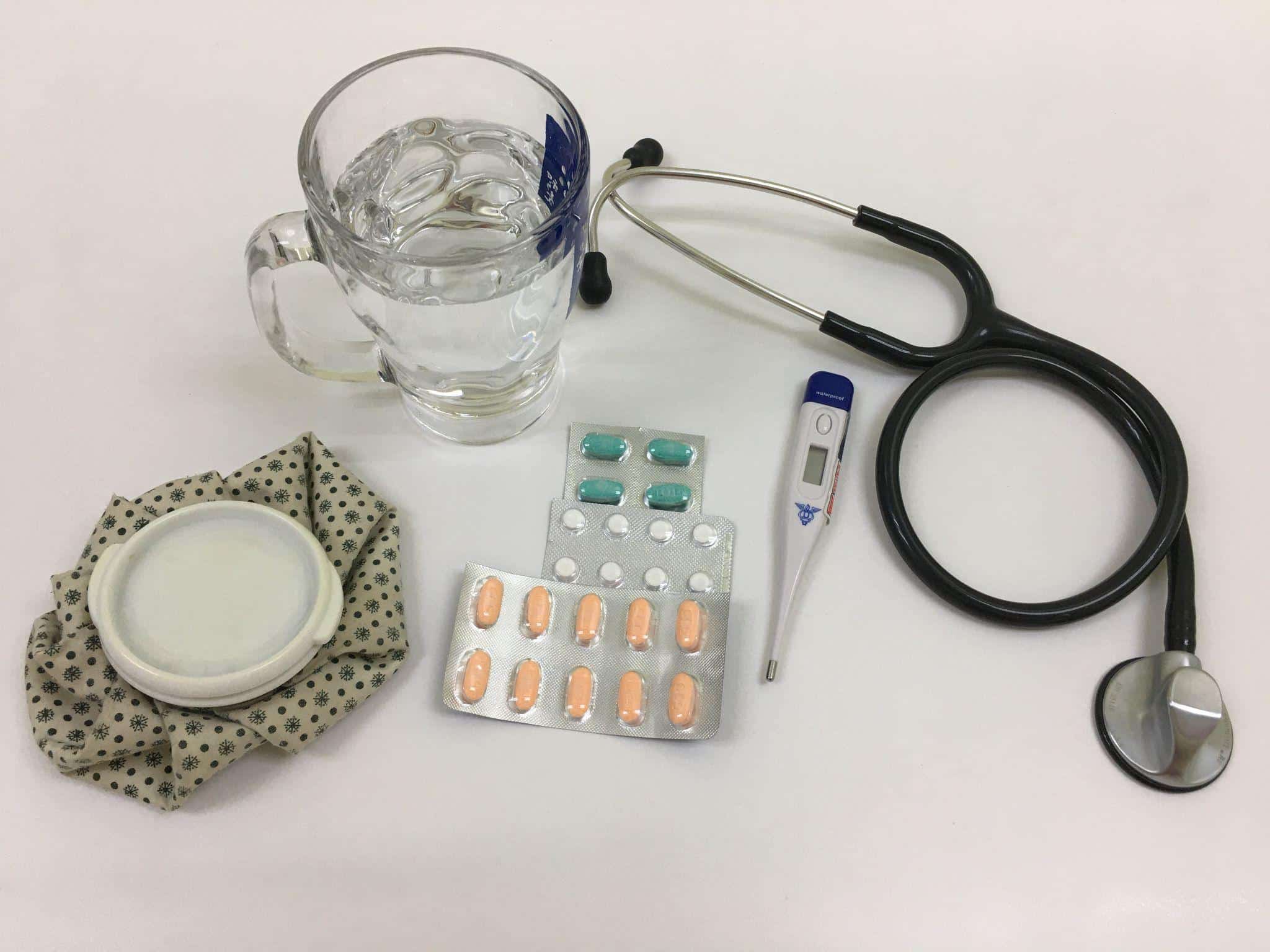
If you’re in pain and your non-opioid medications aren’t working, you can talk to your doctor about using Percocet. Doctors most often prescribe them for post-surgery recovery and cancer pain. This medication can also work as a fever reducer, so it may be effective in helping you get through an infection.
To summarize, speak with your doctor about pain management. You have many options, so you’ll want to hear more about what they can prescribe to you.
Disclaimer: We are not healthcare professionals; this is not healthcare advice. Please contact your doctor if you have health concerns and want to find a treatment.