
Different forms of drainage may occur in surgical and open wounds. Purulent drainage is a sort of fluid produced by a wound. It is virtually usually an indication of infection and is often characterized as “milky” in appearance.
If you have any injury with open skin, you need to take care of it to avoid infection. Keeping a wound clean, washing your hands before touching it, and following any instructions from your doctor will go a long way to helping a wound heal without complications.
However, you might notice that you have symptoms of an infection, including something doctors call purulent discharge. If you’re recovering from a wound, keep an eye on the drainage. It’s critical to understand which sorts of fluid are normal for your wound and which should be checked.
Purulent discharge is a severe symptom, and you should not ignore it if you notice it in a wound. Learn more about wound infections and purulent discharge in this article.
Wound Drainage – What is it All About?
Any time you break the skin, there will be some kind of fluid that comes out. Blood is the most common fluid you will see when you injure yourself. As the wound heals, there will be other fluids that might appear as well.
You may notice clear fluid or fluid with a pink or yellow tint draining from the broken skin or the surgical site if you had an operation. These are part of the healing process that your body deploys when you get injured. The fluids carry proteins, sugars, and white blood cells that are critical to repairing the injury.
In some cases, you will see something called purulent drainage from your wound. This is an indication that the injury has gotten infected. If this happens, you need to contact your doctor. An infection needs treatment before it makes the injury worse or makes you sick.
Purulent Drainage
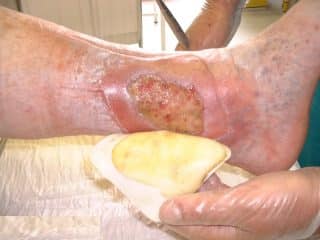
Purulent wound drainage is a sign of infection. It’s a white, yellow, or brown fluid and might be slightly thick in texture. It’s made up of white blood cells trying to fight the infection, plus the residue from any bacteria pushed out of the wound.[mfn] https://www.webmd.com/a-to-z-guides/what-is-purulent-drainage[/mfn]
There may be an unpleasant smell to the fluid, as well. Drainage changes color and thickens because of the number of living and dead germ cells within it, as well as white blood cells in the area. Purulent drainage will often increase as an infection worsens.
You might notice other symptoms along with the purulent discharge. Some signs of an infected wound include:
- Fever
- Redness and heat around the wound
- Increased pain or swelling
- The wound looks like it’s opening instead of healing
- The color or size of the wound changes
- Red streaks appear in the surrounding skin
If this happens to a wound, you need to speak to a doctor right away. Infections need immediate treatment.
Watch the video below to know more on this type of wound discharge:
Symptoms of Purulent Drainage
Purulent drainage is an oozing liquid from a wound. Among the symptoms are:
- Thickness in texture
- Brown, green, white, or yellow hue with a “milky” look
- Unique smell
It is usual for some light, thin liquid to flow from most wounds. All wounds have a distinct odor. Different bacteria have distinct scents, textures, and colors. If there is necrotic tissue in the afflicted location, more germs are introduced.
If the volume of liquid rises or the nature of the liquid changes, the drainage may have turned purulent. Color and odor changes are also indications for worry.
Causes and Risk Factors of Purulent Drainage
Normal drainage is the body’s natural response to a wound. When a wound occurs, the body sends extra blood cells, inflammatory agents, and other healing compounds to the wound site to stop the bleeding and destroy any incoming germs.
The body needs to keep the area moist and saturated with these healing elements to avoid any infection, while any excess moisture usually comes out in the form of discharge.
Wound drainage is caused by blood vessel dilatation during the early phases of healing. This might be due to the presence of specific microorganisms at the time. In order to heal, your body creates a wet environment surrounding the wound.
When the drainage turns purulent, it is typically due to germs penetrating this protective barrier. Once inside the broken skin, the germs multiply and trigger an infection. It is nearly typically due to an infected wound. Germs may enter your skin more easily if it is damaged. The bacteria then travel into the tissues below, causing an illness.
This causes the tissues to become sore and swollen. It also implies they won’t recover as fast or as effectively, or perhaps at all in certain situations. Because the hole in the epidermis allows germs to enter, open wounds are more prone to develop infestations than closed wounds.
Several factors influence whether or not a wound acquires an infection. Its location, size, and general temperature around it may be factors.
Some circumstances increase the likelihood that your wound may get infected:
- You either have type 2 or type 1 diabetes.
- Something very filthy caused the wound.
- Your injury was caused by an animal or a human bite.
- Your wound still has a foreign item within it, such as glass or wood.
- Your wound is deep and wide.
- The margins of your wound are jagged.
- Before a surgical operation, proper safety precautions were not taken.
- You’re an elderly person.
- You’re overweight.
- Your immune system is underperforming. For example, suppose you have an immune-related illness, such as AIDS.
- You smoke, which causes tiny blood vessels to constrict, resulting in less blood and nutrients being delivered to the wound.
People with certain disorders, such as diabetes or vascular disease, may also be at a higher risk for increased wound drainage.
Lifestyle choices, such as smoking, may put a person at risk for purulent complications in some cases. Risk factors may also come from outside the body, such as the type of dressing applied to the wound.
How to Treat a Wound Infection – Purulent Wound Drainage
Treating heavy or purulent drainage is critical to avoid serious complications. The treatment process will vary greatly, depending on the wound. A person with an infection may require antibiotics or other medications to allow the wound to heal.
The initial goal of purulent drainage therapy is to address the source of the infection. Other objectives include containing excessive drainage and limiting wound softening while keeping a moist environment. This allows the injury to heal naturally.
Treatment depends on the requirements of the infected individual, the kind of wound, where it is on the body, and where the wound is in the healing process.
If you have purulent discharge or other symptoms of infection, you will need treatment so that it doesn’t get worse. Your doctor may need to clean the wound and apply new dressings. They can rinse the site with an antibiotic solution if the infection is small. If it is more extensive, you may also need antibiotics to take care of the infection completely.
In some cases, your doctor might find that an abscess has developed. This happens when an infection causes a pocket of pus to form somewhere in the wound. Your doctor might need to drain the abscess to clear the infection entirely.
In very serious cases, an infection in a wound can spread beyond the original location. It could become a septic infection that affects your whole body. When this happens, you might need hospital care. However, this is not common.
Are There Other Types of Wound Drainages Apart from Purulent Wound Drainage?
There are other types of drainage that you may see coming from a wound:
- Serous Wound Drainage: Serous drainage is thin and watery. It’s similar to blood plasma, and a certain amount of it is expected in the early healing stages. Doctors might check to see how much serous drainage you have. Too much of it may be an early sign of infection.
- Sanguineous Wound Drainage: Sanguineous drainage is another word for blood seeping from a wound. It looks red, and it’s normal, especially in the earliest healing stages. It can also happen if you re-injure yourself while you’re healing. For example, if you have a wound on your hand and accidentally knock it on something, you might see some sanguineous drainage. You can reopen some of the blood vessels in the wound and cause new bleeding. You can call your doctor if you are concerned about it.
- Serosanguineous Wound Drainage: Serosanguieous drainage is a combination of blood and serous fluids. It’s usually clear with a reddish or pinkish tint. It usually means that there is some minor bleeding from the capillaries in the wound. It’s not serious unless it progresses to heavy bleeding. Still, you can ask your doctor if you are worried about it.
Taking proper care of a wound is the best way to prevent an infection. If you notice purulent drainage or any other symptoms of infection in a wound, contact your doctor right away.
Complications of Purulent Wound Drainage
Infections are the most common complication of purulent drainage. A wound giving off purulent drainage usually indicates it has acquired an infection, which can worsen if left untreated.
The most common consequence of purulent discharge is wound infection. The most serious consequence of a locally infected injury is that it does not heal, often referred to as a chronic infection.
A chronic wound is defined as a lesion that doesn’t heal in eight weeks. This often causes significant pain and suffering. It might also have an impact on your mental health.
Other issues that may arise include:
- Cellulitis: A bacterial infection of the upper layers of the skin.
- Osteomyelitis: A bacterial illness that affects your bones or bone marrow.
- Septicemia: The presence of germs in the blood, which may cause your whole body to become inflamed.
- Tetanus or lockjaw
- A necrotizing infection that leads to tissue loss
- Blood poisoning
When Should You Visit Your Doctor Concerning Purulent Wound Discharge?
Consult your doctor right away if the fluid flowing from your incision changes color or odor. Purulent discharge has a strong stench and is brown, white, green, or yellow. The sooner an infection is detected, the simpler it is to treat.
The Outlook on Purulent Discharge
An individual with purulent wound discharge has a fair prognosis as long as they are examined by a medical practitioner and appropriately treated as quickly as the condition is recognized.
Early detection is critical. The further the infection is allowed to spread, the more probable it is to cause major health issues.
All right, guys, that is it for now for purulent discharge. I hope Healthsoothe answered any questions you had concerning purulent discharge.
Feel free to contact us at contact@healthsoothe.com if you have further questions to ask or if there’s anything you want to contribute or correct to this article.
