

Are you considering adding Tilapia to your next meal plan but wondering if it has scales and fins? Well, you’re in the right place!
[ninja_tables id=”68229″]
Tilapia is one of the most popular freshwater fish species consumed by many people worldwide. It’s tasty, healthy, and doesn’t cost a lot. Plus, it’s super easy to cook! The best part is that Tilapia is a very versatile fish with its flesh being quite firm and delicious.
However, before diving into anything else, let’s first answer the question lingering on every curious mind “Does Tilapia have Scales and Fins?” You might be surprised by the answer!
Read on as we explore this fascinating fish. We’ll delve into the details of tilapia anatomy to discover if it has scales and fins. And who knows, maybe you might even learn some cool facts about this fish to impress your dinner guests along the way!
Does Tilapia Have Scales And Fins?
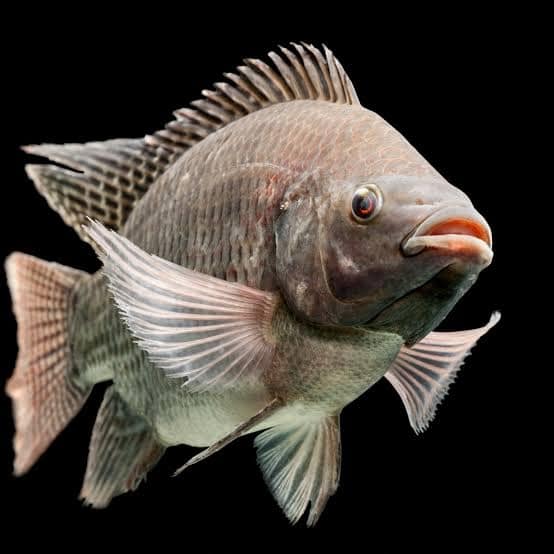
One of the most common questions people have about tilapia is whether or not it has scales and fins. The short answer to this question is YES, tilapia has both scales and fins, just like most other fish species.
The scales of tilapia are relatively large compared to other fishes and it covers the entire body except for the head. These scales protect the fish from injury and disease and also from predators by making it harder for them to grip onto their skin. In addition to their scales, tilapia also have fins that help them move through water ease and precision.
Tilapias can easily be mistaken for other types of fish such as carp or catfish due to similarities in shape and size. However, once you notice the distinctive features like its scales covering most parts of its body along with its fins then you know it’s definitely Tilapia!
How Many Fins Does Tilapia Have?
To answer this question, we need to understand the anatomy of a tilapia fish.
Tilapia has one dorsal fins, which is located on its back and help maintain balance while swimming. The anal fins, located just behind the pelvic fins, helps with stability during movement.
The pelvic fins are found on the underside of Tilapia’s body, just below the pectoral fins. These paired fins assist in slowing down or stopping when they want to rest.
Tilapia have pectoral fins located near their head that aid them in steering through water and last but not the least, the causal (tail) fin located at the posterior end of the fish which is mainly used for propulsion underwater.
These five sets of fins provide necessary functions for Tilapia to swim efficiently while seeking food or escaping predators.
What Types of Scales Are Found in Tilapia Fish?
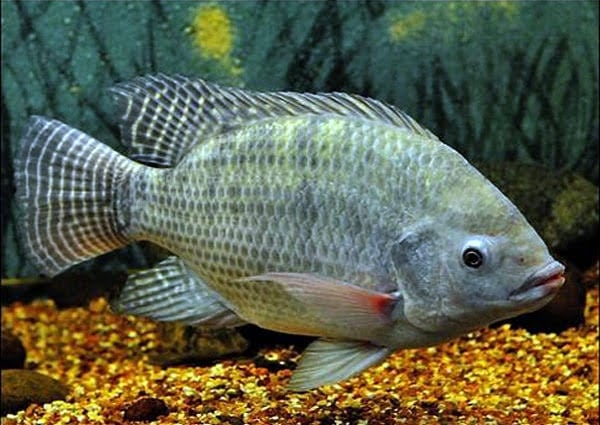
The scales of Tilapia are cycloid in nature, which means they have a smooth surface without any ctenii or spines. They are thin and translucent, providing a subtle shimmering effect when light reflects off them. The color of the scales varies depending on the species and can range from silvery white to dark brown.
Unlike some other fish species, Tilapia do not shed their scales regularly. Instead, they continue to grow more layers over time, forming a protective layer around the body that helps prevent injury from predators or rough surfaces.
Another interesting fact about Tilapia’s scales is that they contain microscopic ridges that help them move through water efficiently and quickly. This allows these fish to swim at high speeds while maintaining excellent maneuverability.
Tilapia’s unique cycloid scales make them stand out among other fish species and contribute significantly to their beauty and survival in aquatic environments.
Does Tilapia Have Teeth?
Tilapia fish have teeth, but not the kind of teeth that humans or other animals have. Tilapia’s teeth are called pharyngeal teeth and they are located in the back of their throats. These teeth help them to grind food before it is passed to their stomachs for digestion.
Despite having these unique sets of “teeth“, it is important to note that Tilapia do not use them for biting or attacking. Instead, they use them to crush and grind up plant matter and small aquatic organisms such as plankton.
How Many Different Species Of Tilapia Do We Have?
Tilapia is a broad term that refers to various species of freshwater fish. There are currently over 100 different species of Tilapia, and each one differs in terms of size, coloration, and behavior.
Some of the most common Tilapia species include:
- Nile tilapia
- Mozambique tilapia
- Blue tilapia
- Ted tilapia
- Black tilapia
- Wami Tilapia.
These species vary in their distribution around the world; for example, Nile tilapias are commonly found in Africa while blue tilapias are more prevalent in Central America.
It’s clear that there are numerous types of Tilapias out there – each with its own unique qualities making them adaptable and valuable both commercially and recreationally
Can Tilapia Live in Saltwater?
Tilapia is primarily a freshwater fish that can live in various water environments. However, there are various curiosities as to whether tilapia can survive in saltwater? The truth is, while some species of tilapia might possess some degree of salt tolerance, most cannot tolerate high salinity levels.
While Tilapia have been observed to survive and grow in brackish waters containing low amounts of salt content, such as estuaries and mangroves where freshwater meets ocean water; they are not able to thrive in full-blown seawater. This is because their bodies are adapted for freshwater conditions.
When exposed to seawater, Tilapia’s kidneys work overtime trying to flush out excess salts from their bloodstream. As a result, this process places tremendous stress on the fish’s organs leading them into exhaustion or death.
It is safe to say that although there may be small chances of Tilapia adapting to saline conditions when gradually introduced over time. It would be best if you kept your tilapias within freshwaters since it increases their chances of survival and growth rate while remaining healthy overall.
Does Tilapia Eat Their Own Poop?
The answer to this is a bit more complicated than a simple yes or no.
It is important to note that Tilapia are omnivorous fish, which means they consume both plant matter and small aquatic animals. While they may occasionally ingest fecal matter while foraging on the bottom of their tanks or ponds, this does not mean they actively seek out and consume their own waste.
It’s important for farmers to maintain proper feeding schedules, monitor water quality, and use appropriate filtration systems to prevent this from happening. Also, proper tank or pond maintenance can also help ensure that water quality remains high and reduces the likelihood of Tilapia coming into contact with waste material.
While it is possible for Tilapia to ingest some amount of fecal matter in their environment, this does not necessarily mean they seek out to eat their own poop and also, it’s not a common occurrence for Tilapia to eat their poop in well-managed aquaculture systems.
What Do Tilapia Eat?
Tilapia is known to be an omnivore, which means they eat both plants and animals. However, their diet mainly consists of plant-based foods such as algae, plankton, and duckweed. In the wild, tilapia feed on a variety of aquatic plants that grow near the water’s surface.
In addition to plant-based food sources, tilapia also consume small fish and invertebrates such as crustaceans and insects. They are opportunistic feeders and will eat whatever is available in their environment.
When it comes to farmed tilapia, commercial feeds are often used to ensure they receive adequate nutrition. These feeds typically contain a combination of plant-based ingredients like soybeans or corn along with fishmeal or other animal protein sources.
Is Tilapia Kosher?
For those who follow kosher dietary laws, the question of whether or not tilapia is considered kosher may arise.
According to Jewish dietary laws, for a fish to be considered kosher, it must have fins and scales. Tilapia does have scales on its skin, which makes it a candidate for being considered kosher.
What Makes Tilapia Stand Out From Other Fishes?
Tilapia is a popular freshwater fish that is known for its mild taste and versatility in cooking. But, what sets it apart from other fishes?
Here are some factors that make tilapia stand out:
- Fast Growth: Tilapia has a rapid growth rate which makes it an ideal candidate for farming. This means that farmers can produce more tilapia in a shorter period of time than other fish species.
- Affordable Price: Due to its fast growth rate and high availability, tilapia is one of the most affordable fishes on the market. It offers consumers an affordable source of protein without breaking the bank.
- Nutritional Value: Tilapia is low in fat and calories but high in protein, making it a healthy food choice for those who want to maintain their weight or lose weight.
- Mild Flavor: Unlike other fishes with strong flavors, such as salmon or mackerel, tilapia has a mild flavor which allows it to take on different seasonings and marinades easily.
- Versatility in Cooking: Tilapia can be prepared using various cooking methods such as grilling, baking, frying, or sautéing which makes it versatile for different cuisines and recipes.
These unique characteristics make tilapia an attractive option when compared to other fish species available on the market today.
Conclusion
It is clear that Tilapia does have scales and fins, despite some common misconceptions. This popular fish species has a unique appearance and dietary habits compared to other fishes. It is also an excellent source of protein for those who follow a healthy diet.
Whether you are looking to incorporate Tilapia into your meals or simply curious about its characteristics, understanding the basics of this fish can help you make informed decisions about your food choices.