The human body operates according to a 24-hour internal clock called the circadian rhythm, which is primarily regulated by exposure to light and darkness. Sunlight during the day and darkness at night influence this rhythm significantly.
Throughout this 24-hour cycle, various physiological processes occur, including hormonal fluctuations, changes in digestion and nutrient processing, and fluctuations in body temperature.
For instance, during the night when it’s dark, the body increases its production of melatonin, a hormone that induces drowsiness and helps regulate sleep. Conversely, exposure to light inhibits melatonin production.
Disruption of the circadian rhythm can lead to disturbances in the sleep-wake cycle, causing difficulties in falling asleep or staying awake at appropriate times. This disruption can have significant impacts on overall sleep quality and daytime alertness.
Read Also: How To Avoid Travel Nightmares This Holiday Season
When Should I take NAC: Morning or Night?
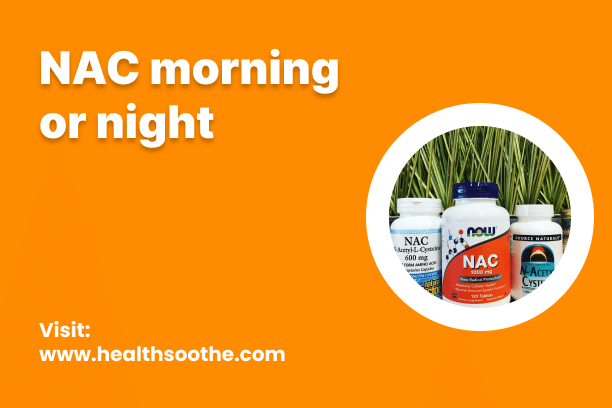
NAC supplements can be consumed at any point during the day, as current research hasn’t shown timing to significantly impact its efficacy. However, because NAC is best absorbed on an empty stomach, it may be advisable to take it either in the morning before breakfast or later in the evening after finishing your last meal of the day.
It’s important to be mindful of how other medications and supplements can affect your circadian rhythm. For instance, caffeine, as an adenosine blocker, interferes with the receptors responsible for inducing sleepiness. Therefore, it’s wise to avoid consuming caffeine too close to bedtime.
On the other hand, melatonin supplements promote sleepiness and are typically best taken in the evening, closer to bedtime. Unlike substances that influence the circadian rhythm, such as caffeine and melatonin, NAC doesn’t impact these biological processes and can be ingested at any time.
Your healthcare provider might suggest a specific timing for taking NAC based on your individual condition or any other medications you’re currently using. Typically, oral NAC supplements come in tablets ranging from 500 mg to 1,000 mg. Splitting your doses by taking one in the morning and another before bedtime could be a suitable regimen.
Pros and Cons of nac
Pros:
- Antioxidant Properties
- Respiratory Health Support
- Liver Protection
- Potential for Mental Health Support
Cons:
- Side Effects
- Interactions with Medications
- Limited Research on Long-Term Effects
Differences Between nac and Rybelsus
NAC:
N-acetyl-cysteine is a precursor to glutathione, a powerful antioxidant in the body. It helps replenish glutathione levels, which can protect cells from oxidative damage and support various physiological functions.
Rybelsus:
Rybelsus (generic name: semaglutide) is a medication belonging to the class of drugs known as glucagon-like peptide-1 (GLP-1) receptor agonists. It works by mimicking the action of the natural hormone GLP-1, which helps regulate blood sugar levels by stimulating insulin secretion, reducing glucagon production, and slowing gastric emptying.
Alternative to nac
Antioxidant Support:
- Vitamin C: Ascorbic acid (vitamin C) is a powerful antioxidant that supports immune function and helps neutralize free radicals in the body.
- Vitamin E: Tocopherols (vitamin E) are fat-soluble antioxidants that protect cell membranes from oxidative damage.
Risks/Side Effects of Taking NAC
In general, NAC is considered safe for most healthy adults. Nevertheless, there are potential side effects associated with NAC supplementation, which may include:
- Nausea
- Vomiting
- Diarrhea
- Gastrointestinal reflux
- Allergic reactions such as skin rash or breathing difficulty
- Toxicity, especially when taken in doses exceeding the recommended amount
Nausea and vomiting can sometimes result from the unpleasant odor of NAC, which resembles the smell of rotten eggs.
Although rare, toxicity is more commonly associated with clinical situations where NAC is administered intravenously and errors in dosage occur.
Furthermore, NAC may interact with certain medications, including blood thinners, immunosuppressants like ifosfamide, activated charcoal, and specific heart medications such as nitroglycerin and antihypertensive drugs. Therefore, it’s important to be cautious and consult with a healthcare professional before beginning NAC supplementation, especially if you’re taking other medications.
Consulting your Healthcare Provider
Prior to starting N-acetyl-cysteine or introducing any new supplements into your regimen, it is advisable to seek guidance from your healthcare provider. This precaution is particularly important if you are already taking medications, managing health conditions, or if you are pregnant or breastfeeding. Consulting with your healthcare provider ensures that you receive personalized advice and can minimize potential risks or interactions with your current health status or medications.
CAN I CONSUME NAC WITH COFFEE?
As of now, there is no evidence indicating that consuming NAC with coffee is harmful or reduces its effectiveness.
HOW MUCH NAC IS RECOMMENDED FOR COVID?
Current research suggests that a dosage of 1,200 mg of NAC taken twice per day may aid in improving COVID symptoms. However, more robust data is required to validate this claim.
NAC SUPPLEMENT FOR WEIGHT LOSS: WHAT DOSAGE IS ADVISED?
As of present, there is insufficient high-quality research to determine the optimal dosage of NAC for promoting weight loss.
CAN NAC SUPPLEMENTS BE TAKEN WITH FOOD?
It is preferable to take NAC on an empty stomach. Therefore, it is recommended to take it at least 30 minutes before a meal or two hours after eating. Nevertheless, if desired, NAC can be taken with food.
CAN NAC BE TAKEN ALONGSIDE OTHER SUPPLEMENTS?
There are no known interactions between NAC and other supplements.
WHAT MEDICATIONS SHOULD NAC NOT BE TAKEN WITH?
NAC should not be combined with medications that have established interactions, such as blood thinners, antihypertensive drugs, immunosuppressants, activated charcoal, and nitroglycerin.
To ensure safety, it is advisable to consult your healthcare provider or pharmacist to confirm that NAC will not interact with any medications you are currently using.
Conclusion
N-acetyl-cysteine (NAC) offers a range of potential health benefits, from supporting COVID symptom management to aiding respiratory health and potentially mitigating oxidative stress. While research suggests promising uses for NAC, including its potential for improving COVID symptoms and its role in antioxidant support, further high-quality studies are needed to fully understand its efficacy and optimal dosage across various health conditions.
Moreover, while NAC is generally safe for most individuals, it’s essential to be mindful of potential side effects and interactions, particularly with medications such as blood thinners and immunosuppressants. Consulting with a healthcare provider before incorporating NAC into your regimen can help ensure its safe and effective use, tailored to your individual health needs and circumstances.
Ultimately, while NAC holds promise as a supplement with diverse applications, continued research and responsible use under medical guidance are crucial for harnessing its full potential in promoting overall health and well-being.