
Close Menu
    • Skin Care Is Health Care When Done Right
    • Teeth Aligners Cost in India: Bangalore, Delhi & Noida
    • Cost of Treating Hepatitis B in Nigeria (2026): All You Need to Know
    • Successful IVF after 40 and factors affecting the outcome
    • Where to Buy Dental Instruments in Lagos Nigeria (Prices & Suppliers)

    Subscribe to Updates

    Get the latest creative news from FooBar about art, design and business.

    What's Hot

    Skin Care Is Health Care When Done Right

    January 19, 2026

    Teeth Aligners Cost in India: Bangalore, Delhi & Noida

    January 16, 2026

    Cost of Treating Hepatitis B in Nigeria (2026): All You Need to Know

    January 16, 2026
    Facebook X (Twitter) Instagram
    Healthsoothe: Health and Dental careHealthsoothe: Health and Dental care
    • HEALTH
    • DENTAL CARE
    • SKINCARE
    • Advertise
    Facebook X (Twitter) Instagram
    SUBSCRIBE
    • Healthy
    • Dental Care
    • Skin Care
    • Discover
      • Tragedy Stories
      • Recipes
      • Home
    • Health Tools
      • Body Tat Calc
      • CALC Diet Calorie
      • Ideal Body Weight Calc
      • Burned Calories Calc
      • View All
    • Connect
      • About us
      • Contact us
      • Media Kit
    Healthsoothe: Health and Dental careHealthsoothe: Health and Dental care
    Home » Health » Understanding Ischemic Heart Disease
    WELLNESS HEALTH

    Understanding Ischemic Heart Disease

    Isreal Olabanji, Dental NurseBy Isreal Olabanji, Dental NurseSeptember 4, 2018Updated:January 27, 20251 Comment7 Mins Read
    Facebook Twitter Pinterest LinkedIn Tumblr Reddit WhatsApp Email
    Follow Us
    Facebook X (Twitter) Instagram Pinterest LinkedIn TikTok
    ischemic2BHeart2BDisease
    Share
    Facebook Twitter LinkedIn Pinterest WhatsApp Email
    Advertise on HealthSoothe

    What is ischemic Heart Disease?

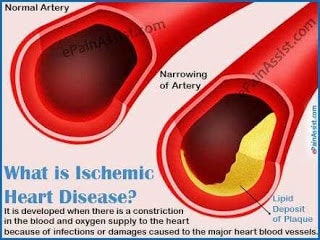
    Ischaemic (or ischemic) heart disease is a disease characterized by the reduced blood supply to the heart. This condition occurs most often during exertion or excitement when the heart requires greater blood flow. Ischemic heart disease, also called coronary heart disease, is the most common cause of death in most western countries.


    The coronary arteries supply blood to the heart muscle and no alternative blood supply exists, so a blockage in the coronary arteries reduces the supply of blood to heart muscle. If you develop Ischaemic heart disease, the left ventricle in your heart will likely become enlarged, dilated, and weakened. This inhibits your heart’s ability to properly pump blood, which can lead to heart failure.

    Elevate your decor with Glass Canvas Photo Prints for wall art. Stunning, durable, and perfect for showcasing your favorite memories.

    Ischemic Heart Disease: Symptoms, Causes, Treatment and Prevention Most ischaemic heart disease is caused by atherosclerosis, usually, present even when the artery lumens appear normal by angiography. Initially, there is sudden severe narrowing or closure of either the large coronary arteries and/or of coronary artery end branches by debris showering downstream in the flowing blood.
    It is usually felt as angina, especially if a large area is affected.

    Place Your Ad on HealthSoothe
    • Related: The A-Z of Cardiac Symptoms

    The narrowing or closure is predominantly caused by the covering of atheromatous plaques within the wall of the artery rupturing, in turn leading to a heart attack (Heart attacks caused by just artery narrowing are rare).
    A heart attack causes damage to the heart muscle by cutting off its blood supply.

    According to mayo clinic, ischemic heart disease can be treated successfully with lifestyle changes, medicines, and surgical procedures. Even better, you can reduce your risk of ischemic heart disease by following heart-healthy practices, such as eating a low-fat, low-sodium diet, being physically active, not smoking, and maintaining a healthy body weight.


    • Related: What It Means to Live With a Heart Condition

    Left untreated, ischemic heart disease may lead to severe heart damage. Heart damage can result in heart attack and shock and may be life-threatening. Seek immediate medical care in your country such as (911) in the USA. Your country medical emergency may differ.

    What are the symptoms of ischemic heart disease?

    You may experience ischemic heart disease symptoms daily or just occasionally. Common symptoms of Ischemic heart disease include chest pain, chest pressure, or shortness of breath other symptoms of Ischemic heart disease include:
    • Extreme fatigue
    • Shortness of breath
    • Dizziness or fainting
    • Chest pain, also known as angina
    • Heart palpitations
    • Swelling in your legs and feet, also known as edema
    • Swelling in your abdomen
    • A cough or congestion, caused by fluid in your lungs
    • Difficulty sleeping
    • Clammy skin
    • Nausea with or without vomiting
    • Pain in the neck or jaw
    • And weight gain.

    The symptoms of Ischemic heart disease do not imply this condition only, it may be a symptom of other diseases too. If you develop these ischemic heart disease symptoms, seek medical care immediately to know the cause.

    What is ischemic heart disease causes?

    Ischemic heart disease causes are typically caused by a heart attack or coronary artery disease. Risk factors for these conditions include:
    • A family history of coronary heart disease
    • High blood pressure, also known as hypertension
    • High cholesterol
    • Obesity
    • Diabetes mellitus
    • End-stage kidney disease
    • Amyloidosis, a condition in which abnormal proteins build up in your tissues and organs, including blood vessels
    • Sedentary lifestyle
    • High blood triglycerides
    • Physical inactivity
    • History of smoking tobacco
    • Alcohol or drug abuse

    How is ischemic heart disease diagnosed?

    If you visit your doctor and he/she suspects or discover you have Ischemic heart disease, he/she may be referred you to a heart specialist, also known as a cardiologist. They will take your medical history and perform a physical examination, and order further tests to develop their diagnosis.
    For example, they may order:
    • blood tests to measure the level of cholesterols and triglycerides in your blood
    • An X-ray, CT scan, or MRI
    • An echocardiogram to evaluate your heart structure and function using ultrasound waves
    • An electrocardiogram (ECG or EKG) to record electrical activity in your heart
    • A stress test to monitor your heart’s ability.
    • myocardial biopsy to collect and analyze a small tissue sample from your heart muscle.

    How is ischemic heart disease treated?

    Treatment for ischemic heart disease begins with seeking medical care from your doctor. To determine if you have ischemic heart disease, your doctor will ask you to undergo several diagnostic tests.
    Your doctor must first address the underlying cause of your condition in order to treat it. Most often the culprit is coronary artery disease. Doctors may recommend a combination of:
    • lifestyle changes
    • medications
    • surgery or other procedures

    Lifestyle changes

    Lifestyle changes include eating a healthy diet that’s low in saturated fat, cholesterol, and sodium. You’ll also be advised by your doctors or your fitness and wellness center to exercise in a way that is safe for your condition.
    You should not smoke or reduce smoking if you are diagnosed with this condition or other similar disease related to the heart. Your doctor will probably advise you to quit and avoiding drugs and drinking less alcohol.
    • Related: 5 Natural Strategies to Keep Your Heart Healthy

    Medications for Ischemic Heart Disease: 

    Your doctor may prescribe medications to help ease symptoms, prevent complications, and improve your heart function. Depending on your circumstances, they may prescribe:
    • A beta-blocker to reduce your blood pressure and heart rate
    • A calcium channel blocker to relax and widen your arteries and lower your blood pressure
    • An aldosterone inhibitor to lower your blood pressure and rid your body of excess fluid to help ease symptoms such as swelling and shortness of breath.
    • A blood thinner
    • Anti-ischemic agents such as ranolazine (Ranexa)
    • Antiplatelet drugs, which prevent the formation of blood clots
    • Nitrates, which dilate the blood vessels
    • Statins, which lower cholesterol
    • and other medication to treat high cholesterol.

    Surgical procedures used to treat ischemic heart disease

    Your doctor may also recommend surgery or other procedures involving your coronary arteries or other parts of your heart. For example, they may recommend:
    • Implantation of a pacemaker, defibrillator, or both to improve your heart’s electrical function
    • Atherectomy to remove plaque from your arteries
    • Balloon Angioplasty and stent placement (procedure to remove plaque and restore blood flow in clogged arteries)
    • Radiation therapy after the lumen of a prior placed arterial stent repeatedly narrows, to try to keep your artery lumen from narrowing again
    • Coronary artery bypass graft (a procedure that helps restore blood flow to the heart by routing the flow through transplanted arteries).

    Prevention of Ischemic Heart Disease

    You can decrease your chances of developing heart disease in the first place by maintaining a simple lifestyle.
    For example:
    • Check your vital signs every day (Monitor your blood pressure and cholesterol levels).
    • Eat a healthy diet that’s low in saturated fat, cholesterol, and sodium.
    • At least few minutes of aerobic exercise five times a week.
    • Maintain your weight.
    • Don’t smoke tobacco too much or quit smoking or abuse drugs.
    By practicing heart-healthy habits, you can lower your risk of developing coronary artery disease, ischemic heart disease, and other cardiovascular conditions. If you’ve already developed heart disease, healthy lifestyle choices can help mitigate complications.

    Article Resources


    • Heart failure: Understanding heart failure. (2016).
      my.clevelandclinic.org/health/diseases/17069-heart-failure-understanding-heart-failure
    • Mayo Clinic Staff. (2016). Calcium channel blockers.
      mayoclinic.org/diseases-conditions/high-blood-pressure/in-depth/calcium-channel-blockers/art-20047605
    • Mayo Clinic Staff. (2017). Coronary artery disease.
      mayoclinic.org/diseases-conditions/coronary-artery-disease/symptoms-causes/syc-20350613
    • Heart attack. American Heart Association. http://www.heart.org/HEARTORG/Conditions/HeartAttack/Heart-Attack_UCM_001092_SubHomePage.jsp

    Thank you for reading this post. Don't forget to subscribe to our YouTube site here for Health and dental care content.  Furthermore, follow us on Facebook, X.com (Twitter), Pinterest, Telegram, TikTok,  LinkedIn, and WhatsApp Channel. 

    ANIMALS AND PETDENTAL CAREHEALTH CALCULATORHome appliancesHOME REMEDIESRECIPESSKINCARETragedy StoriesWELLNESS HEALTH
    Advertise on HealthSoothe
    Isreal Olabanji, Dental Nurse
    • Website

    Isreal Olabanji is a certified Dental Nurse in Nigeria with experience in oral health education, public health, dental instruments, and patient care. He writes evidence-based dental and oral health content tailored for Nigerians.

    Related Posts

    Cost of Treating Hepatitis B in Nigeria (2026): All You Need to Know

    January 16, 2026

    Successful IVF after 40 and factors affecting the outcome

    January 15, 2026

    Are You Making These 5 Common Mistakes with Your Back Pain?

    January 11, 2026

    1 Comment

    1. Leeann Barash on February 14, 2019 3:56 am

      I appreciate, cause I found exactly what I was looking for. You’ve ended my four day long hunt! God Bless you man. Have a great day. Bye

    Leave A Reply

    You must be logged in to post a comment.

    Don't Miss
    WELLNESS HEALTH

    6 Foods That Will Make You Taste Sweeter Down There

    By Wisdom BasseyApril 12, 20220

    The food you eat may have a significant impact on how your vagina tastes and…

    Why Take Flomax At Bedtime? (Explained)

    December 5, 2022

    Taking Ambien for 10 Years: Is It Safe or Dangerous?

    July 12, 2025

    What Are The Benefits Of Combining Wellbutrin And Zoloft? (Detailed Guide)

    November 27, 2022
    Stay In Touch
    • Facebook
    • Twitter
    • Pinterest
    • Instagram
    • YouTube
    • Vimeo
    Our Picks

    NTI Night Guard Device: Reduces Jaw-Clenching and Headache.

    April 1, 2018

    Top 5 Qualities to Look for in a Dentist

    October 21, 2023

    Exploring the Cost of Root Canal Treatment in Florida: A Comprehensive Guide

    May 24, 2023

    When Can I Eat Solid Food After Tooth Extraction? Healing Stages & Tips

    September 17, 2025

    Subscribe to Updates

    Get the latest health insights, wellness tips, and medical updates from HealthSoothe

    Demo

    CHOOSE CATEGORIES

    HOME APPLIANCES, SKINCARE,

    HOME REMEDIES, TRAGEDY STORIES, HEALTH CALC,

    RECIPES, PETS

    About Us

    HealthSoothe is a trusted online platform dedicated to helping people make better health and wellness decisions. We provide clear, well-researched information on health, fitness, nutrition, and lifestyle topics—made simple and accessible for everyone.

    We're accepting new partnerships right now.

    NG 13 Akobo Ojurin, Ibadan, Oyo State, Nigeria
    USA 112 Capitol Trail, Suite A, Newark, Delaware, USA
    Email contact@healthsoothe.com
    Our Picks

    Teeth Aligners Cost in India: Bangalore, Delhi & Noida

    January 16, 2026

    Cost of Treating Hepatitis B in Nigeria (2026): All You Need to Know

    January 16, 2026

    Successful IVF after 40 and factors affecting the outcome

    January 15, 2026
    New Comments
    • Advocare on Ways to Reduce Loneliness in Seniors
    • shawn davidson on The Role of Employment Agencies in Strengthening the Healthcare Workforce
    • rachvictor05 on How Medical Debt Triggers Broader Financial Stress: Understanding the Ripple Effect
    • Windmill Health, Magnesium Gluconate, 500 mg, 90 Tabs on The Ultimate Guide to Organic Spirulina Tablets: Nature’s Superfood Supplement
    Facebook X (Twitter) Instagram Pinterest
    • Media Kit
    • Healthcare
    • Dental care
    • About us
    • Contact us
    • Privacy & Affiliate Disclosure
    • Terms & Conditions
    • Sitemap
    • Newsletter
    © 2016–2026 Healthsoothe LLC, an Isreal Olabanji Company | Healthsoothe does not provide medical advice or treatment. Consult a personal physician.

    Type above and press Enter to search. Press Esc to cancel.

    Need help?
    WhatsApp
    HiHello 👋, welcome to {HEALTHSOOTHE}
    Can we help you?
    Open Chat