
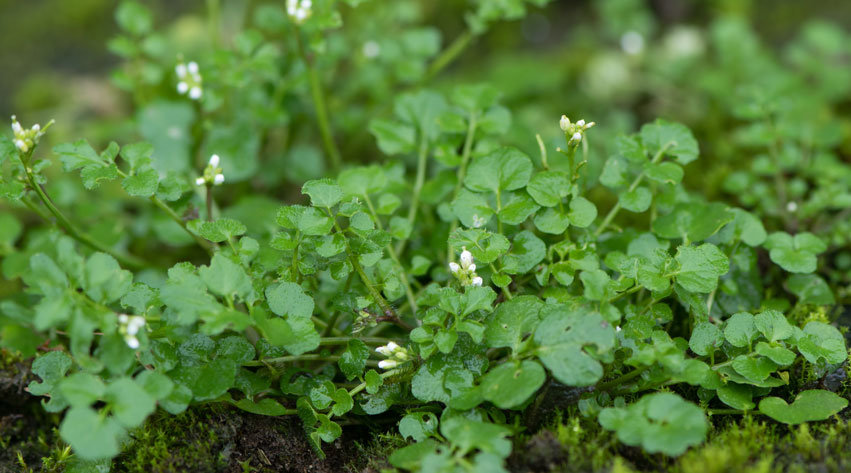
A healthy green lawn, which from a distance looks so put together and in order, actually has a different story going on just inches beneath the soil. There is what scientists and horticulturists refer to as the “seed bank,” a large-scale reservoir of dormant seeds that are standing by for the right chance to sprout. By learning about this underground seed bank, homeowners can change how they think about lawn care, weed issues, and large-scale yard maintenance.
What Is the Soil Seed Bank?
In the soil there is what is called a seed bank, which is a natural storage of viable seeds. These seeds may lie dormant for years at a time, some even for decades, until the point at which they will sprout. In a single square foot of soil there may be thousands of seeds from many plant species, also including many types of weeds.
Seeds get into the soil in a variety of ways. Wind is a method that brings them in from nearby properties. Also, they are dropped off by birds and animals. Lawn equipment, which is used in care and maintenance, puts them in different areas. Also, it is the case that new soil, mulch, or compost homeowners put in introduces new seeds to the yard. Over time these seeds accumulate, which in turn forms a hidden reserve that is just below the surface.
Some seeds, of course, may be from desirable grasses or plants, but many are weeds, which do very well at taking over when given the tiniest chance.
Dormancy: Nature’s Survival Strategy
Weed seeds have great endurance. They enter a state of dormancy, which is a form of “sleep” during which they do so out of favorable conditions like drought, extreme temperatures, or low light. While in this state they are inactive but still viable.
Some weeds are very persistent, which is a result of their seed design, which may last up to 20 years or more. This long-term strategy of the species ensures that as present weeds are removed out of the soil, the next generations may still be stored below the ground.
Homeowners, which is what the article is addressing, often report frustration yearly because they pull out the weeds and spray them, and the issue isn’t solved. What they see above ground is only the tip of the issue. What is really causing the issue is something in the soil.
What Triggers Seeds to Sprout?
Weed seeds do not germinate at random. They respond to certain environmental signals. The main triggers are soil disruption, light, and water.
1. Soil Disturbance
Any time the soil is disturbed, for example by digging, aerating, dethatching, putting in an irrigation system, or heavy foot traffic, this brings up dormant seeds to the surface. Once exposed to light and air, they may begin to germinate.
In some cases construction of buildings, landscape changes, or even typical lawn renovation may bring to the surface formerly buried seeds that didn’t get to grow out before.
2. Sunlight Exposure
Many weeds have the quality of requiring light to germinate. Upon tilling of soil or when grass dies back, light, which had been a nonfactor, reaches the seeds, which had been in the dark. This sudden light acts as a signal that it is time for growth to begin.
In the lawn, bare spots are particularly at risk, as they allow sun to reach the soil.
3. Water
Rain out of season and irrigation also play a large role. In warm soil, which also has enough moisture, great conditions exist for many weed species to grow. After a heavy rain out of the blue or at spring warm-up, a sudden appearance of weeds may occur.
They may pop up out of the blue—but in fact they’ve been right under the surface all along.
Why Weeds Keep Coming Back
Homeowners tend to concentrate on what is visible and pull out. While pulling or spot treatments may improve the situation in the short term, they do not get to the root of the issue. Each weed that grows to maturity and goes to seed adds to the reserve of seeds in the ground, thus continuing the cycle.
Some weed species produce thousands of seeds per plant. Should even a small percentage of those germinate and grow into new plants, the outbreaks will be almost a certainty.
Also in lawns that are stressed out or thin, weeds have an opportunity. Compacted soil, poor drainage, nutrient deficiency, and improper mowing height issues weaken turfgrass and play into the weed’s favor.
Managing the Hidden Seed Bank
Completely getting rid of the soil seed bank is challenging, but great results can be seen with proper lawn care and consistent maintenance.
A healthy, dense lawn is a great natural defense. Wide coverage of the soil by grass leaves less of it exposed to light, which in turn reduces weed germination. Proper fertilizers, mowing at the right time, and sufficient water all help the grass outcompete the weeds.
Mulch landscape beds and seed in thin areas, which reduces exposed soil where seeds will germinate.
Professional green space managers, which include pest and weed control operators, pay attention to present weeds as well as preventive measures. In their practice, pre-emergence treatments, post-emergence solutions, and soil health improvement are very effective at reducing the introduction of new weeds from the seed bank year to year.
Professional weed treatment services may be key to long-term weed control. They know best when to apply which products and what strategies to put in place to break the germination cycle, preventing the same issues from arising again.
Patience and Consistency Matter
One of the key concepts in the soil seed bank is progressive control. Since seeds may stay viable for years, a single season of treatment is not sufficient to solve the issue fully.
Consistent care depletes the seed bank. Every season that weeds are prevented from maturing and producing new seeds, the underground reserve decreases. In the end, this reduces weed issues and promotes a healthier, more stable lawn ecosystem.
The Takeaway
In the soil below the noticeable lawn lies a vast unknown of useful as well as not-so-useful seeds. Disturbance of the yard, including sunlight and water, serves as a trigger for these dormant seeds, producing unexpected weed growth.
While complete abolition of all seeds trendy the soil may not be situated possible, understanding how the seed bank operates allows aimed at better, proactive measures. Improving turf health, reducing soil disturbance, as well as applying precise treatment only as needed greatly reduces recurring weeds.
A healthy lawn is not just about removing visible weeds; attention must also be given to what is happening below the surface.
