
Maintaining dental health during orthodontic treatment is important for achieving the best results. Proper oral hygiene practices help prevent complications and ensure a successful outcome. This article provides tips to assist families in navigating their orthodontic journey.
Undergoing orthodontic treatment requires a dedicated approach to oral hygiene. As you embark on this journey, it becomes crucial to understand how to care for your teeth effectively, especially with braces or aligners. Your orthodontist mukwonago plays a vital role in providing personalized guidance tailored to your needs, ensuring that the treatment progresses smoothly and efficiently. Adhering to recommended practices helps maintain strong teeth and gums, preventing potential issues such as plaque buildup and cavities.
Effective brushing techniques for braces wearers
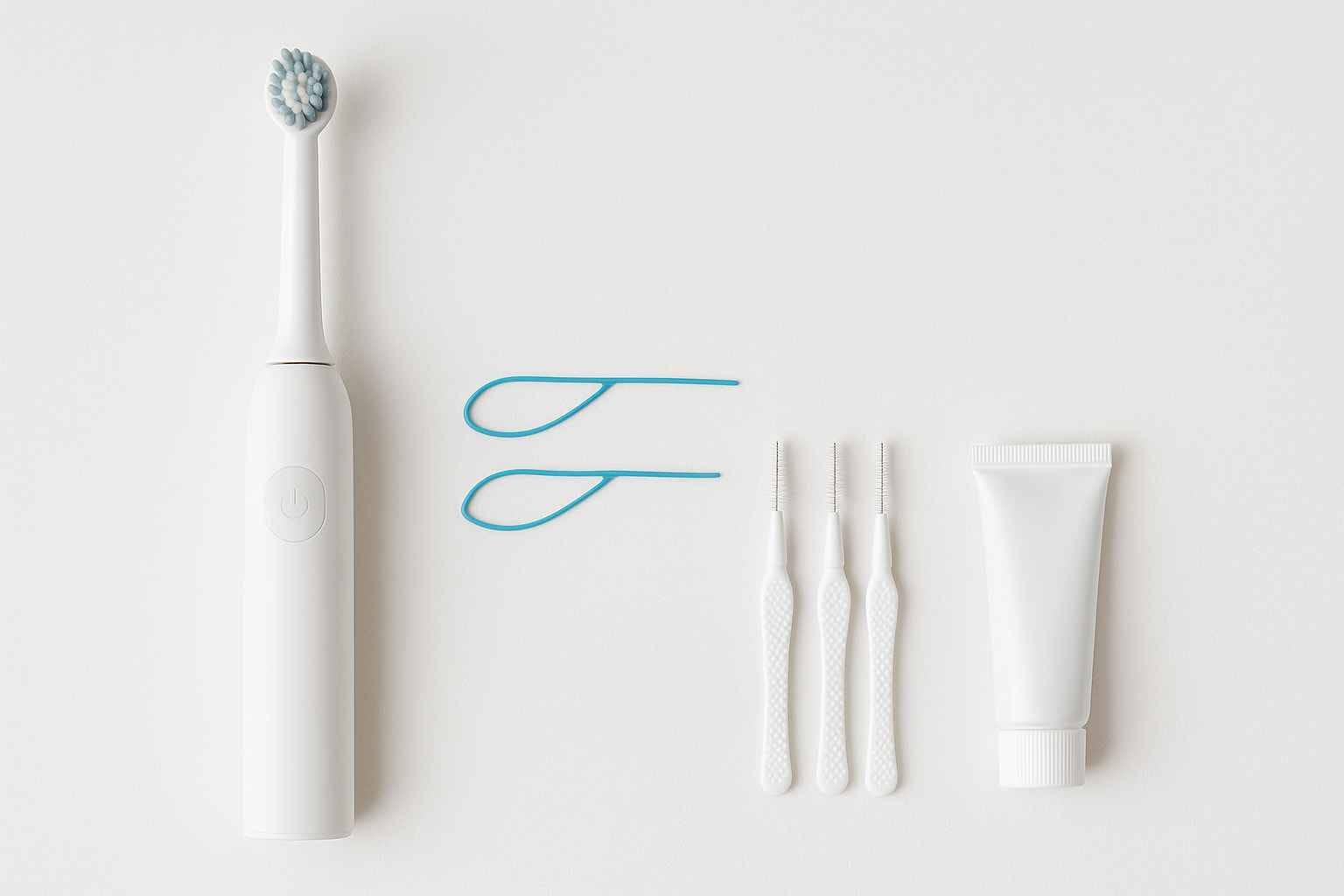
Brushing correctly is essential when it comes to maintaining oral health during orthodontic treatment. Braces create numerous nooks and crannies where food particles and plaque can accumulate, leading to tooth decay and gum disease if not addressed. It is advisable to use a soft-bristled toothbrush angled towards the gum line while cleaning each tooth carefully. Electric toothbrushes may also be beneficial due to their effectiveness in removing debris around brackets and wires.
Taking the time to brush after every meal helps ensure that no food particles remain trapped in the braces. Using interdental brushes or floss threaders can further aid in cleaning hard-to-reach areas, thus preventing plaque buildup between teeth. Consistent brushing routines not only protect against cavities but also contribute significantly to maintaining fresh breath throughout the day.
Regular replacement of toothbrushes is another key aspect of effective dental care during orthodontic treatment. Worn-out bristles may not clean thoroughly, leading to inadequate plaque removal. Ensuring that toothbrushes are replaced regularly enhances overall oral hygiene efforts.
The role of fluoride in strengthening teeth
Fluoride is a key component in protecting teeth from decay, especially during orthodontic treatment. It strengthens tooth enamel, making it more resistant to acid attacks from plaque bacteria and sugars in the mouth. Using fluoride toothpaste twice daily ensures that teeth receive adequate protection throughout the treatment period.
Mouth rinses containing fluoride offer additional defense by reaching areas that might be missed during brushing. These rinses provide a protective barrier around teeth, minimizing the risk of developing cavities. Discussing fluoride treatments with your orthodontist can help determine if additional professional applications are necessary based on individual needs.
Incorporating fluoridated products into daily routines not only safeguards against cavities but also supports overall dental health by reinforcing enamel strength. This proactive approach helps maintain optimal oral health even as teeth are being realigned with braces or aligners.
Personalized care from your orthodontist
Your orthodontist plays a crucial role in guiding you through your dental journey by offering tailored advice suited to your unique requirements. Regular check-ups allow orthodontists to monitor progress, make necessary adjustments, and provide specific recommendations for maintaining oral hygiene effectively during treatment.
Building a strong relationship with your orthodontist fosters open communication about any concerns or challenges encountered along the way. They can address issues promptly, ensuring that treatment remains on track and complications are minimized. This collaborative effort between you and your healthcare professional ensures that everyone involved works towards achieving the best possible results.
Orthodontists also educate patients on best practices for caring for their appliances at home, empowering them with the knowledge needed for successful outcomes. Emphasizing personalized care reinforces the importance of adhering to guidelines set forth by experts who understand how treatments affect individual cases differently.
Incorporating healthy habits alongside orthodontic care
Incorporating healthy habits into daily routines complements orthodontic care by enhancing overall dental health outcomes. Flossing regularly helps remove food particles trapped between teeth, reducing the risk of gum disease and cavities. Using floss threaders or water flossers can make this task more manageable for those wearing braces.
A balanced diet rich in nutrients supports both oral health and general well-being during orthodontic treatment. Consuming foods high in calcium and vitamin D promotes strong bones and teeth while avoiding sugary snacks minimizes plaque formation around brackets or wires.
Scheduling regular dental check-ups alongside visits with your orthodontist ensures comprehensive monitoring of oral health throughout the treatment duration. Dental professionals can identify potential issues early on and provide preventive measures before they escalate into significant problems.