

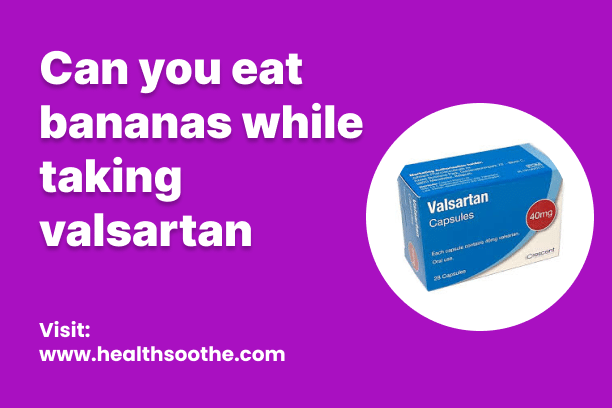
Valsartan, known by the brand name Diovan, belongs to a class of medications called angiotensin II receptor blockers, often abbreviated as ARBs. It is prescribed for the management of high blood pressure (hypertension) in both adult and pediatric patients aged one year and above. By reducing blood pressure, Valsartan can potentially decrease the likelihood of experiencing a stroke or heart attack. Additionally, in adults, Valsartan is utilized to treat heart failure and diminish the chances of hospitalization and mortality following a heart attack.
Key Facts: Bananas & Valsartan Interaction
▪️Hyperkalemia Risk from ARBs
Valsartan and other angiotensin receptor blockers (ARBs) may increase blood potassium levels (hyperkalemia)—eating potassium-rich foods like bananas should be approached with caution .
▪️Eat Bananas in Moderation
Occasional banana consumption is generally safe with normal kidney function—but large or frequent intake of potassium-heavy foods can elevate potassium levels .
▪️Monitor Potassium Levels
Healthcare providers typically conduct blood tests to monitor potassium, especially for patients with kidney issues or taking potassium supplements .
▪️Watch for Hyperkalemia Symptoms
Symptoms include muscle cramps, weakness, irregular heartbeat, nausea, chest pain, and tingling in extremities. Seek medical care immediately if these arise .
▪️Limit Other Potassium Sources
In addition to bananas, other high-potassium foods—e.g., oranges, avocados, potatoes, tomatoes, dried fruits, and salt substitutes—should be consumed carefully .
How should this medicine be used?
Valsartan is available in tablet and suspension forms for oral administration. When used to treat high blood pressure, it is typically taken once daily with or without food. For heart failure or heart attack treatment, it is usually taken twice daily with or without food. Consistency in timing is important; aim to take Valsartan at the same time(s) every day. Adhere closely to the instructions on your prescription label, and seek clarification from your doctor or pharmacist if needed. Take Valsartan exactly as prescribed; avoid altering the dosage or frequency without medical guidance.
Before each use, shake the suspension vigorously for at least 10 seconds to ensure uniform distribution of the medication.
It’s essential to stick to the specific Valsartan product prescribed by your doctor, as different formulations have varying release mechanisms in the body and are not interchangeable unless instructed otherwise. Typically, Valsartan suspension is recommended for children under 5 years old or individuals unable to swallow tablets.
Your doctor may initiate Valsartan at a low dose and gradually adjust it based on your response.
While Valsartan effectively manages high blood pressure and heart failure, it does not cure these conditions. Blood pressure may start to decrease within the initial 2 weeks of treatment, but it may take up to 4 weeks to experience the full therapeutic effects. Even if you feel well, continue taking Valsartan as prescribed; do not discontinue it without consulting your doctor.
You can request a copy of the manufacturer’s patient information leaflet from your pharmacist or doctor.
Potential Side Effects of Valsartan
Like any medication, Valsartan carries potential side effects. While not everyone experiences them, it’s important to recognize possible reactions. Common side effects include dizziness, lightheadedness, fatigue, cough, and headaches. If these side effects persist or worsen, it’s essential to contact a healthcare provider.
In rare instances, Valsartan may trigger severe side effects requiring immediate medical attention. These include allergic reactions, difficulty breathing, swelling of the face, lips, tongue, or throat, as well as signs of kidney problems such as decreased urination or changes in urine color. Seeking medical help is crucial if any of these symptoms arise.
Moreover, individuals should disclose any pre-existing medical conditions, allergies, or medications to healthcare providers, as they may interact with Valsartan, affecting its efficacy or increasing the risk of side effects. It’s advisable to refrain from alcohol consumption while taking Valsartan, as it could further lower blood pressure and raise the risk of dizziness or fainting.
In summary, Valsartan is a medication pivotal in managing high blood pressure, heart failure, and enhancing survival rates post-heart attack. By understanding its uses, administration, and potential side effects, individuals can make informed decisions and collaborate closely with healthcare professionals to ensure the safe and effective use of Valsartan.
Read Also: Enhancing Sexual Health with Bananas: The Surprising Benefits
Pros and Cons of valsartan and bananas
Pros of Valsartan:
- Blood Pressure Management
- Heart Failure Treatment
- Kidney Protection
Cons of Valsartan:
- Potential Side Effects
- Interaction with Other Medications
- Risk of Hyperkalemia
Pros of Bananas:
- Rich in Nutrients
- Heart Health
- Digestive Health
- Convenient and Portable
Cons of Bananas:
- High in Sugar
- Potential for Allergies
- Risk of Hyperkalemia
Differences Between valsartan and bananas
Valsartan
Valsartan is a medication classified as an angiotensin II receptor blocker (ARB). It is primarily used to treat conditions such as high blood pressure (hypertension), heart failure, and to improve survival rates after a heart attack.
Bananas:
Bananas are a type of fruit known for their high potassium content and nutritional value. They are commonly consumed as a food source and are incorporated into various dishes and snacks.
Alternative to valsartan and bananas
Alternatives to Valsartan (for blood pressure and heart health):
Other Angiotensin II Receptor Blockers (ARBs):
There are several other ARBs available, including losartan, irbesartan, candesartan, and olmesartan. These medications work similarly to Valsartan in lowering blood pressure and managing heart conditions.
Alternatives to Bananas (for potassium and nutrition):
Other Potassium-Rich Foods:
If you’re looking to maintain adequate potassium levels, consider incorporating other potassium-rich foods into your diet such as potatoes, sweet potatoes, spinach, avocado, tomatoes, oranges, and melons.
What you should Know about Bananas
Bananas are widely recognized for their potassium content; however, according to the MyPlate guidelines from the U.S. Department of Agriculture, their nutritional value extends far beyond that. This fruit is abundant in various vitamins and minerals crucial for maintaining health, positioning them as one of the world’s most sought-after superfoods.
As per USDA calculations, based on a 2,000-calorie diet, a medium-sized banana contains a mere 105 calories. Despite being considered a healthy snack, bananas sometimes receive criticism due to their relatively high carbohydrate content: 27 grams for a medium-sized banana.
During illness, bananas serve as an excellent food choice. They offer a soft and mild texture while being rich in nutrients and providing quick-acting carbohydrates. Moreover, the potassium found in bananas aids in replenishing electrolyte levels, playing a pivotal role as one of the essential electrolytes required by the body.
Can I take Valsartan and Bananas Together?
It’s advisable to limit or avoid taking Valsartan and bananas together due to their high potassium content. This combination can lead to the retention of excess potassium in the body, which would normally be eliminated by the kidneys.
While potassium is essential for health, excessive intake of this nutrient can be detrimental. Ordinarily, the kidneys maintain a healthy potassium balance by excreting any excess. When Valsartan and bananas elevate potassium levels in the blood, it can result in hyperkalemia, or high potassium levels.
According to the Mayo Clinic, the normal potassium range is typically between 3.6 and 5.2 millimoles per liter (mmol/L) of blood. Potassium levels exceeding 5.5 mmol/L are considered critically high, and levels surpassing 6 mmol/L can pose life-threatening risks. There might be slight variations in these ranges depending on the laboratory.
Whether hyperkalemia is mild or severe, seeking prompt medical attention is crucial to prevent potential complications.
Conclusion
While Valsartan and bananas individually offer distinct health benefits, caution is warranted when considering their combination due to the high potassium content present in both. Potassium plays a crucial role in bodily functions, but excessive levels, known as hyperkalemia, can lead to serious complications. Therefore, it is advisable to limit or avoid consuming bananas while taking Valsartan to prevent potential imbalances in potassium levels and associated health risks.
Additionally, consulting healthcare professionals for personalized guidance regarding dietary restrictions and medication management is essential for maintaining optimal health and well-being. By being mindful of potential interactions between Valsartan and bananas, individuals can make informed decisions to support their overall health goals while minimizing the risk of adverse effects.
Authoritative References
1. Drugs.com (Aliskiren/Valsartan Food Interactions): “Ask your doctor if it is necessary for you to limit consumption of potassium-rich foods such as … bananas”
2. MedShadow – Food-Drug Interactions: Warns ARB users to avoid large amounts of potassium-heavy foods like bananas
3. GoodRx/MedTherapy – Valsartan Q&A: Lists bananas and similar foods as ones to be cautious with when taking valsartan
4. Marley Drug – Valsartan Guide: Advises limiting intake of potassium-rich foods and monitoring blood tests
5. NHS – Common Questions About Valsartan: States salt substitutes high in potassium should be avoided with valsartan
How useful was this post?
Click on a star to rate it!
Average rating 0 / 5. Vote count: 0
No votes so far! Be the first to rate this post.
We are sorry that this post was not useful for you!
Let us improve this post!
Tell us how we can improve this post?
Written by: Isreal Olabanji, certified Dental Nurse (DST, RN), with training in pharmacy, anatomy, and physiology.
Healthsoothe provides general education only. It does not replace advice from your doctor, dentist, or pharmacist. Confirm medicines and doses with a licensed professional before taking them.
