
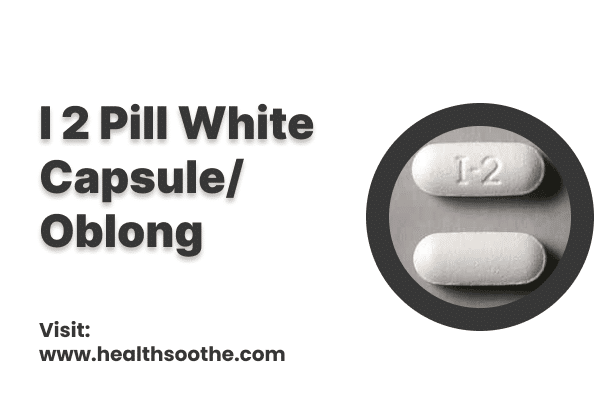
I 2 Pill White Capsule/Oblong

The I-2 tablet is a widely employed medication known for its effectiveness in relieving pain. This over-the-counter drug belongs to the category of nonsteroidal anti-inflammatory drugs (NSAIDs). Its noteworthy efficacy lies in its ability to reduce mild to moderate pain, inflammation, and fever.

Distinguished by its small, circular shape and smooth, white coating, the I-2 tablet is easily recognizable. To prevent confusion with other medications, it is important to identify the distinctive “I-2” marking imprinted on one side.

The therapeutic properties of the I-2 tablet derive from its primary active ingredient, ibuprofen. This widely recognized substance can inhibit specific enzymes in the body, thereby decreasing the production of prostaglandins – compounds responsible for promoting pain, swelling, and inflammation.

Through the inhibition of these enzymes, ibuprofen provides relief from various discomforts such as headaches, muscle aches, menstrual cramps, and minor injuries.

When using the I-2 tablet, it is essential to adhere to the recommended dosage and seek advice from a healthcare professional, especially if there are underlying medical conditions or concurrent use of other medications. Understanding the I-2 tablet and its active ingredient, ibuprofen, empowers individuals to manage pain and discomfort safely.

What is the I-2 Pill?

The I-2 pill is a brown, circular (or elongated) tablet. It comprises 200 mg of ibuprofen, an over-the-counter pain reliever, and fever reducer. The I-2 pill is employed for the following purposes:

  1. Fever reduction
  2. Pain alleviation, addressing conditions like toothaches, sprains, arthritis, headaches, and more
  3. Reduction of inflammation

It’s important to note that ibuprofen is non-addictive and classified as a non-narcotic pain reliever. However, the I-2 pill can pose risks if used incorrectly.

Using the I-2 Pill Safely

The I-2 pill contains ibuprofen as its active component, widely utilized for managing various medical conditions. It effectively mitigates mild to moderate pain, making it suitable for conditions such as headaches, toothaches, backaches, and menstrual cramps. Additionally, its anti-inflammatory properties aid in reducing inflammation associated with arthritis, sprains, and strains.

Prudent use of the I-2 tablet is crucial. Always adhere to the instructions on the packaging or the guidance of a healthcare expert. Avoid exceeding the prescribed dosage or prolonged use without seeking medical advice to prevent potential side effects.

In simpler terms, ibuprofen in the I-2 pill impedes the production of prostaglandins, responsible for causing pain in our bodies. By doing so, the pill helps alleviate pain and provides relief to individuals experiencing discomfort. It also exhibits anti-inflammatory effects, reducing swelling and tenderness caused by inflammatory conditions.

Nevertheless, using this pill correctly and understanding its appropriate usage is vital. It’s advisable to consult with a healthcare professional before using it to ensure its safety and efficacy for your specific needs in managing pain and inflammation.

Pros and Cons of I-2 pill

Pros of the I-2 Pill (ibuprofen)

  • Effective Pain Relief
  • Anti-Inflammatory Properties
  • Fever Reduction
  • Over-the-Counter Availability

Cons of the I-2 Pill (ibuprofen)

  • Gastrointestinal Side Effects
  • Potential for Allergic Reactions
  • Risk of Overuse and High Dosage
  • Caution for Certain Health Conditions

Differences Between I-2 pill and Metformin

I-2 Pill (Ibuprofen)

It is a nonsteroidal anti-inflammatory drug (NSAID) used primarily for pain relief and reduction of inflammation. It is commonly used for conditions such as headaches, toothaches, menstrual cramps, and arthritis.

Metformin

It is an oral antidiabetic medication used to treat type 2 diabetes. Metformin helps control blood sugar levels by improving the body’s response to insulin and reducing the amount of glucose produced by the liver.

Alternative to i-2 pill

Naproxen (Aleve)

Like ibuprofen, naproxen is a nonsteroidal anti-inflammatory drug (NSAID) that can be used to relieve pain and inflammation. It has a longer duration of action compared to ibuprofen, requiring less frequent dosing.

The I-2 Pill: Safe Use and Dosage

Ensuring the proper dosage and administration of the I-2 pill is essential for its safe and effective use. Typically, for adults and individuals aged 12 and above, the recommended dosage ranges from 200 to 400 milligrams of ibuprofen, taken every 4 to 6 hours as needed for pain relief. However, individual circumstances and the severity of the condition may influence the actual dosage. It is crucial to follow dosing guidelines and avoid surpassing the maximum daily dose, usually capped at 1200 milligrams for adults.

When using the I-2 pill, taking it with food or milk is advisable to minimize the risk of stomach irritation. Swallow the pill whole with a full glass of water and refrain from breaking or crushing it unless specifically instructed by a healthcare professional.

Although ibuprofen is generally considered safe for short-term use, certain individuals, particularly those with a history of gastrointestinal issues or allergies, should exercise caution and consult their healthcare provider before using the medication.

Adhering to the recommended dosage and administration instructions is paramount to prevent potential side effects and ensure the I-2 pill’s efficacy. If pain or inflammation persists or worsens despite using the medication, seeking medical advice is essential.

Moreover, consulting a healthcare professional before initiating ibuprofen treatment is vital, especially for individuals with pre-existing medical conditions or those taking other medications to avoid potential interactions. Responsible medication use, coupled with seeking professional guidance, enhances understanding of the I-2 pill’s benefits and contributes to overall well-being.

Read Also: "H49 Pill for Toothache | Uses, Side Effects and More

What are the Potential Side Effects of the I-2 Pill?

When taking the I-2 tablet, it is crucial to be aware of potential adverse consequences associated with ibuprofen use. Common side effects may include gastrointestinal discomfort such as heartburn, indigestion, and stomach pain. Some individuals might also experience mild headaches, dizziness, or sleepiness.

In rare instances, ibuprofen can lead to more serious side effects, including allergic reactions, breathing difficulties, or symptoms of gastrointestinal bleeding such as black or bloody stool. To minimize the risk of side effects, it is recommended to take the I-2 tablet at the lowest effective dose for the shortest duration possible.

Safety precautions should be observed when using the I-2 pill. Individuals with a history of stomach ulcers, bleeding disorders, or kidney problems should avoid ibuprofen unless explicitly advised by a healthcare professional. Prolonged, high-dose use of ibuprofen may pose additional risks, including an increased likelihood of cardiovascular events. If any unusual or concerning side effects occur while using the I-2 pill, discontinuing its use and seeking immediate medical attention is crucial.

Recognizing and managing ibuprofen’s side effects is essential for ensuring safe medication use. If mild side effects persist or become bothersome, contacting a healthcare provider can help address concerns and explore alternative pain relief options. In cases of severe or life-threatening reactions, such as allergic responses, seeking emergency medical care is imperative.

Careful monitoring, adherence to dosage guidelines, and open communication with healthcare professionals contribute to a safer and more effective experience with the I-2 pill.

Conclusion

The I-2 pill, containing ibuprofen as its active ingredient, is a widely used medication for managing various types of pain and inflammation. While it offers effective relief, it is crucial to approach its use with awareness and caution.

Understanding and adhering to the recommended dosage and administration guidelines are fundamental to ensuring the safe and effective use of the I-2 pill. Common side effects, such as gastrointestinal discomfort or mild headaches, should be anticipated, and any persistent or severe reactions warrant immediate medical attention.

Individuals with a history of specific health conditions, such as stomach ulcers, bleeding disorders, or kidney problems, should consult with a healthcare professional before using ibuprofen. Long-term, high-dose usage carries potential risks, necessitating careful consideration and supervision.

Recognizing and managing the potential side effects of ibuprofen is key to promoting safe medication use. Regular communication with healthcare providers, especially if concerns arise, contributes to a more informed and secure experience with the I-2 pill. By prioritizing safety and following medical guidance, individuals can harness the benefits of ibuprofen for pain relief while minimizing the risk of adverse effects.

My name is Wisdom Bassey, I'm a blog content writer and graphic designer who provides support and services for brands and different companies. I'm young and versatile, A tech enthusiast. I carry out deep research on every topic I choose to write about. You can reach me through my social media handles, I'm always available and ready to connect.

Leave a Comment