
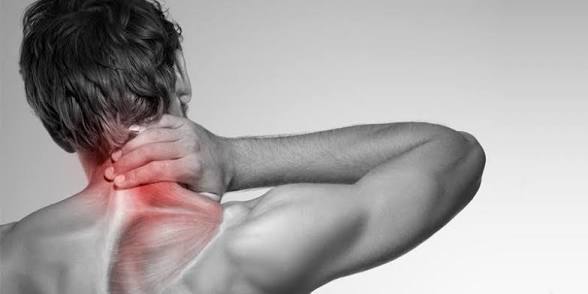
Muscle soreness after a workout, long hike, weekend project, or unfamiliar activity is not automatically a reason for concern. Your body can feel stiff and tender when muscles have been challenged in ways they are not used to.
The harder question is knowing when soreness has crossed into something that deserves more attention.
Normal post-exercise soreness should gradually improve. Pain that lingers, keeps returning, affects normal movement, or becomes sharper instead of better can signal a different problem. Paying attention to how the discomfort feels and how it changes can help you decide what to do next.
What Normal Muscle Soreness Typically Feels Like
Delayed-onset muscle soreness, commonly called DOMS, tends to develop after a new or more intense activity. It can leave the affected muscles feeling tender, stiff, weak, or achy. According to Cleveland Clinic, DOMS develops after exercise and generally improves on its own as the muscles recover.
You might notice it after increasing the weight you lift, starting a new running program, returning to exercise after a break, or doing movements your body has not performed recently.
Normal soreness tends to have a few recognizable features:
- The discomfort is centered in muscles you recently exercised.
- It feels more like tenderness, stiffness, or a dull ache than sharp pain.
- Movement is uncomfortable but still possible.
- Symptoms gradually improve instead of getting worse.
- Everyday activities are still manageable.
Gentle movement and temporarily reducing exercise intensity can be enough while the muscle recovers.
Problems become harder to dismiss when the discomfort does not follow that pattern. People wondering when to see a physical therapist for muscle pain should pay close attention to pain that persists, limits movement, or repeatedly interrupts the same activities.
A physical therapist can assess how the muscles, joints, and surrounding structures are working together. Clinics such as Apogee Therapy Center use movement-based evaluation and individualized treatment to help patients address pain and regain function.
Signs Your Muscle Soreness May Be More Than Normal Recovery
You do not need to treat every sore muscle as an injury. At the same time, continuing to push through symptoms that keep worsening can make recovery harder.
Several signs deserve a closer look.
The Pain Is Sharp Instead of Achy
Normal muscle soreness is generally described as tenderness, tightness, or a dull ache. Sharp, stabbing, or constant pain is less consistent with typical post-workout soreness.
Cleveland Clinic recommends seeing a healthcare provider when muscle pain becomes sharp and constant or does not improve with rest.
Pain that appeared suddenly during a specific movement can also point toward an injury rather than ordinary soreness.
The Pain Is Not Improving
Recovery does not happen on an exact timetable, but the overall trend should be toward improvement.
If you wake up several days later and the discomfort is just as strong, or worse, that pattern deserves attention. Cleveland Clinic advises seeking medical care when suspected DOMS lasts longer than about a week.
Persistent symptoms do not automatically mean something serious is wrong. They can, however, suggest that the irritated area needs a more structured approach to recovery.
You Keep Getting Pain in the Same Spot
Recurring pain can be especially frustrating.
You rest until the discomfort fades, return to the activity, and the exact same area starts hurting again. That pattern can suggest the underlying issue has not been addressed.
For example, muscle weakness, limited joint mobility, training errors, or movement habits can place repeated stress on the same area. A physical therapist can evaluate movement patterns and determine whether something else is contributing to the recurring discomfort.
Your Movement Has Changed
Pain becomes more concerning when you start changing how you move because of it.
You might notice that you:
- Limp when walking.
- Avoid putting weight on one leg.
- Cannot lift an arm as high as before.
- Struggle to bend or straighten a joint.
- Shift your body differently when climbing stairs.
- Stop performing exercises through their normal range.
Physical therapists specifically evaluate movement problems and help people restore or maintain physical function.
Compensating for pain can also place additional stress on other parts of the body. Addressing the original limitation can help you return to more natural movement.
Pain During Everyday Tasks Is Worth Paying Attention To
A sore quadriceps muscle after a difficult workout might be annoying when walking downstairs. It becomes a different issue when pain consistently makes normal daily activities difficult.
Think about how the discomfort affects tasks outside the gym.
Can you comfortably get out of a chair? Carry groceries? Reach overhead? Work your normal shift? Walk the dog? Sleep without repeatedly waking because of pain?
Pain that begins interfering with basic function is a reasonable reason to have the problem evaluated.
Physical therapy is not limited to athletes or people recovering from major surgery. Physical therapists work with people experiencing movement limitations, pain, injuries, and other conditions affecting everyday function.
Rest Helps, but Rest Alone Does Not Fix Every Problem
Rest can be useful when muscles have simply been overworked. Temporarily backing off an intense activity gives irritated tissue time to recover.
Complete inactivity is not always the answer, though.
A problem can return as soon as activity resumes if the original cause involved weakness, limited mobility, poor load progression, or another movement-related issue.
Physical therapy can involve a combination of prescribed exercise, education, movement retraining, and hands-on treatment depending on the problem. The goal is not simply to make the area feel better for a few hours. Treatment can also focus on helping the person safely return to the activities that matter to them.
For someone who repeatedly experiences muscle pain after running, for example, a physical therapist might look beyond the painful muscle itself. Strength, mobility, running mechanics, training volume, and recovery habits can all provide useful information.
When Muscle Pain Needs Medical Attention Instead
Some symptoms should not be treated as routine soreness or handled solely through physical therapy.
Seek prompt medical care when muscle pain is accompanied by concerning symptoms such as severe weakness, difficulty breathing, dizziness, a high fever with a stiff neck, or a serious injury that prevents movement. Mayo Clinic identifies these as reasons to obtain immediate medical attention.
Severe swelling or signs of infection also warrant medical evaluation. Unusually dark urine after intense exercise can be another warning sign and should be assessed promptly, since it can occur with serious muscle injury.
These signs can point to medical problems that require a physician or emergency care rather than routine rehabilitation.
What Happens During a Physical Therapy Evaluation?
People sometimes delay physical therapy because they assume the first visit will immediately involve difficult exercises. An evaluation generally begins with understanding the problem.
A physical therapist may ask when the discomfort started, what makes it worse, what improves it, and which activities have become difficult.
The therapist can then assess areas such as:
- Range of motion
- Muscle strength
- Balance
- Flexibility
- Walking or movement mechanics
- Functional movements related to work, exercise, or daily life
That information helps identify limitations that could be contributing to the symptoms.
Treatment can then be adjusted to the person’s needs and goals. The American Physical Therapy Association notes that physical therapists develop care plans based on each patient’s individual challenges and goals.
Do You Have to Stop Exercising Completely?
Not necessarily.
The right activity level depends on what is causing the pain. Normal soreness does not always require complete rest, and gentle movement can sometimes feel better than remaining completely inactive.
An injury is different.
Continuing to repeatedly stress an injured area can delay recovery. A physical therapist can help determine which activities are appropriate, which should temporarily be modified, and how to progressively return to normal activity.
That approach can be especially helpful for people who do not want pain to derail their fitness routine entirely.
Instead of simply being told to stop exercising, they can receive guidance on what they can safely continue doing while the irritated area recovers.
Pay Attention to the Pattern, Not Just the Pain Level
Pain intensity is only one part of the picture.
A mild ache that returns every time you run can deserve attention even if it never becomes severe. Meanwhile, significant muscle soreness after an unusually difficult workout can still be normal if it steadily improves.
Consider the complete pattern:
- What caused the discomfort?
- Is it improving?
- Does it return with the same activity?
- Has your movement changed?
- Is it affecting work, exercise, sleep, or daily tasks?
- Are there symptoms that suggest you need medical care?
Those questions are more useful than simply asking whether the pain is bad enough to worry about.
Muscle soreness is part of being active, but persistent or recurring pain should not automatically become your new normal. When discomfort stops improving or starts limiting how you move, a physical therapy evaluation can help identify what is happening and what steps can support a safer return to activity.