
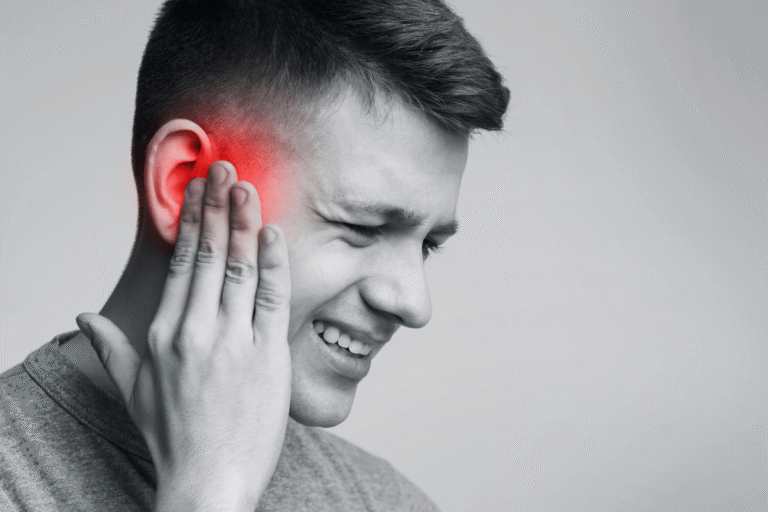
Tinnitus can cause ringing, buzzing, humming or whistling sounds in one or both ears, even when there is no external sound. It may last for a short period or continue for longer. Since several factors can trigger tinnitus, identifying the cause is important. The right treatment can then help manage the symptoms effectively.
1. Age-Related Hearing Loss
Hearing often reduces gradually with age. As outside sounds become softer, tinnitus may seem louder. A hearing test can confirm hearing loss. An audiologist may suggest hearing aids for tinnitus to improve access to everyday sounds and reduce the contrast between external sound and internal ringing.
2. Exposure to Loud Noise
Loud music, machinery, traffic, crackers and high headphone volume can damage cells inside the ear. Even one very loud sound may trigger tinnitus. Lower the volume, take listening breaks and use ear protection in noisy places. People working around loud equipment should wear earplugs or earmuffs.
3. Earwax Build-Up
Excess earwax can block the ear canal and reduce hearing, which may make tinnitus more noticeable. Do not use cotton buds, pins or other objects to clean the ear. A doctor or professional can examine the ear and remove the blockage safely.
4. Ear Infections
Ear infections may cause pressure, pain, discharge, reduced hearing and tinnitus. The ringing may improve once the infection is treated. Seek medical advice if symptoms continue or become painful. Treatment depends on whether the infection affects the outer, middle or inner ear.
5. Certain Medicines
Some medicines may cause or worsen tinnitus. These include antibiotics, painkillers, chemotherapy medicines and high doses of some drugs. Do not stop prescribed medicine without medical advice. Speak to the doctor, who may review the dose or suggest another option where appropriate.
6. Head or Neck Injuries
An injury may affect the inner ear, hearing nerve or brain areas involved in sound processing. Assessment is important when tinnitus starts after an accident. Urgent help is needed if it occurs with dizziness, weakness, confusion or sudden hearing loss.
7. Jaw Joint Problems
Jaw joint problems can cause or worsen tinnitus. The sound may change while chewing, opening the mouth or clenching the teeth. A dentist or specialist can assess the jaw. Treatment may include exercises, a mouth guard, posture correction or support for teeth grinding.
8. Inner Ear Conditions
Conditions such as Ménière’s disease may cause tinnitus with vertigo, ear pressure and changing hearing levels. An ear, nose and throat specialist should assess these symptoms. Management may include medicines, dietary changes, balance care and hearing aids for tinnitus when hearing loss is present.
9. Blood Vessel Problems
Tinnitus that matches the heartbeat is called pulsatile tinnitus. It may be linked with blood flow near the ear. This type needs medical evaluation, especially if it starts suddenly or affects one side. Treatment depends on the condition causing it.
How To Manage Tinnitus In Daily Life
Soft background sound, such as a fan or calm music, can make tinnitus less noticeable in quiet rooms. Better sleep, stress control and avoiding loud noise help.
When tinnitus occurs with hearing loss, hearing aids for tinnitus can improve communication and make surrounding sounds clearer. Some devices include sound therapy features and should be selected after a hearing test and fitting.
Final Thoughts
Tinnitus can result from hearing loss, loud noise exposure, earwax, medicines or other health conditions. Because the cause differs from person to person, proper assessment is important before starting any treatment. Once the cause is identified, medical care, sound therapy, hearing protection or hearing aids for tinnitus may help reduce its impact on daily life.