
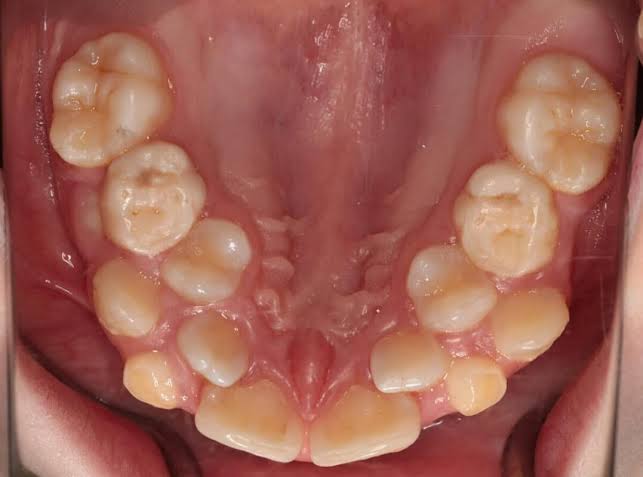
Picture this. Your child comes home from school grinning ear to ear because they just lost a tooth, and the tooth fairy is coming tonight. It is one of those small, happy milestones of childhood. But a few months later, as the new tooth grows in, you notice it is not coming in straight. Maybe it is angled oddly, or there just does not seem to be enough room for it next to the other teeth.
If this sounds familiar, you are not alone. Many parents start noticing crowded teeth in children right around the time baby teeth are being replaced by permanent ones. It can be worrying to see, but understanding why it happens can help you feel more prepared and know what steps to take next. Let us walk through the most common causes and what parents can do about it.
Does Genetics Play A Role
Yes, and often more than people expect. Jaw size and tooth size are largely inherited traits, passed down the same way eye color or height might be.
Some children inherit a smaller jaw from one parent but larger teeth from the other. When that happens, the teeth simply do not have enough space to grow in properly, which leads to crowding.
A few genetic factors that can contribute include:
- A naturally narrow or smaller jaw structure
- Larger than average tooth size relative to the jaw
- A family history of orthodontic treatment or crowded teeth
- Inherited tooth shape or spacing patterns
If you or your partner needed braces as a child, there is a decent chance your child may face similar challenges. This does not mean crowding is guaranteed, but it is worth keeping an eye on as their permanent teeth come in.
What Happens When Baby Teeth Fall Out Too Early Or Too Late
Baby teeth are not just placeholders. They actually help guide permanent teeth into the correct position by holding space in the jaw until the adult tooth is ready to erupt.
When a baby tooth is lost too early, whether from decay, injury, or extraction, the surrounding teeth can shift into that open space. This leaves less room for the permanent tooth when it is finally ready to come in, which often results in crowding.
On the other hand, when baby teeth linger too long, they can block the permanent tooth from erupting in its natural position. This can push the new tooth to grow in at an angle or in an unusual spot.
Regular dental checkups help catch these timing issues early, before they turn into bigger alignment problems down the road.
Can Thumb Sucking Or Pacifier Use Cause Crowded Teeth
Most toddlers suck their thumb or use a pacifier, and in the early years, this is completely normal and not something to worry about.
The concern arises when these habits continue past the age of two or three, especially once permanent teeth begin developing underneath the gums. The constant pressure from sucking can gradually reshape the jaw and push teeth out of alignment.
Common effects of prolonged thumb sucking or pacifier use include:
- Front teeth being pushed forward or outward
- Development of an open bite, where front teeth do not touch when the mouth is closed
- Narrowing of the upper jaw
- Increased likelihood of crowded teeth in children as permanent teeth erupt
Gently encouraging your child to stop these habits before their adult teeth start coming in can make a meaningful difference in how their smile develops.
What Role Do Extra, Missing, Or Unusually Sized Teeth Play
Not every case of crowding comes down to jaw size or early habits. Sometimes it is about the teeth themselves.
Some children develop extra teeth, a condition dentists refer to as supernumerary teeth. These additional teeth take up space that was never meant to be shared, forcing other teeth to shift or overlap.
On the flip side, some children are missing one or more teeth from birth. While this might sound like it would create more space, it can actually cause neighboring teeth to drift into the empty spot, throwing off the entire alignment of the smile.
Unusually large or small teeth can also disrupt the natural balance of a child’s bite, contributing to spacing issues that need to be addressed through an orthodontic evaluation.
How Does Mouth Breathing Affect Jaw Development
This is a cause that often surprises parents. The way a child breathes can actually shape how their jaw and teeth develop over time.
Children who consistently breathe through their mouth, whether due to allergies, enlarged tonsils, or nasal blockages, tend to develop a different jaw structure than nose breathers. Mouth breathing often encourages a longer, narrower face shape and a high, narrow palate.
A narrower palate simply does not leave enough room for teeth to come in straight, which is a common contributor to crowded teeth in children. If your child snores, sleeps with their mouth open, or breathes through their mouth during the day, it may be worth mentioning to both your pediatrician and your dentist.
When Should Your Kid Be Evaluated
Many parents wonder how early is too early to worry about crowding. The truth is, catching it early tends to make treatment simpler and often less invasive.
The American Association of Orthodontists generally recommends that children have their first orthodontic evaluation by around age seven. At this stage, a mix of baby and permanent teeth is usually present, which gives an orthodontist a clearer picture of how the jaw and bite are developing.
Signs that it may be time for an evaluation include:
- Teeth that appear to be overlapping or twisted
- Difficulty chewing or biting comfortably
- Noticeable gaps disappearing quickly as new teeth come in
- Persistent mouth breathing or snoring
- A visibly narrow or crowded-looking smile
Early evaluation does not always mean immediate treatment. Sometimes it simply means keeping a closer eye on things as your child grows. Other times, early guidance can help prevent more complicated kids’ braces treatment later on.
Finding The Right Support For Your Child’s Smile
Crowded teeth in children can stem from a mix of genetics, habits, dental timing, and even how your child breathes. While some of these factors are outside of your control, being proactive about evaluations and healthy habits can make a real difference in how your child’s smile develops.
If you have noticed signs of crowding, or if your child is approaching that age seven milestone, it may be a good time to schedule an orthodontic evaluation. At Sutton Dental & Braces, conveniently located just a block south of the Naugatuck Valley Shopping Center, our team works with families throughout the area to support healthy smiles at every stage of growth. As a trusted orthodontist in Waterbury, CT, we also welcome families searching for an orthodontist for kids who want a comfortable, personalized approach to care.
Your child’s comfort and healthy smile are our top priorities. Start their dental journey on the right foot. Book an appointment with Sutton Dental & Braces in Waterbury, CT, today to give your child the personalized care they deserve.