
Close Menu
  • Healthy
    • Skin & Body Care
    • Weight and Fitness
    • Mental Health
    • Medications Drug Information
    • Conditions Syndromes
    • Pill Capsule Identification
    • Medication Safety
    • Drug Interactions
  • Dental Care
    • Dental Procedures And Treatments
    • Dental Costs and Insurance
    • Pediatric Dental Care
    • TMJ Jaw Health
    • Dental Product Reviews
    • Dental instruments
  • Health Tools
    • Body Tat Calc
    • CALC Diet Calorie
    • Ideal Body Weight Calc
    • Burned Calories Calc
    • View All
  • Nutrition
  • Connect
    • About us
    • Contact us
  • Submit Product
Facebook X (Twitter) Instagram
Healthsoothe: Our Wellbeing
Homepage - Health - Common Ailments Percocet Is Used To Help Treat

Common Ailments Percocet Is Used To Help Treat

Isreal Olabanji DST, RNIsreal Olabanji DST, RNUpdated:July 4, 2024
Share the Knowledge. Spread the Wellness! Facebook Twitter Pinterest LinkedIn Reddit WhatsApp
Follow Us
Add as Preferred on Google Facebook Instagram Pinterest

If you want to relieve moderate to severe pain, your doctor might prescribe Percocet. This drug is often prescribed when other non-opioid pain relievers haven’t worked. It’s not recommended for chronic or long-term pain, as people can become dependent on it.

Keep reading to learn more about Percocet and what doctors use it to treat. Let’s get started!

Jump to What You Need
  1. What is Percocet?
    1. How Does Percocet Work?
  2. Ailments Percocet Is Used To Treat
    1. Post-Surgery Pain
    2. Broken Bone Pain
    3. Cancer Pain
    4. Pain With Infections
  3. Percocet Side Effects
  4. Talk to Your Doctor About Pain Management

What is Percocet?

Percocet is a drug that’s a combination of oxycodone and acetaminophen. Acetaminophen is a common fever reducer and pain reliever you can buy over the counter. However, oxycodone is a Schedule II controlled substance, so Percocet must also be a controlled substance.

That means you must talk with a medical professional to get a prescription. This medication is not available over the counter.

Doctors won’t prescribe it until a non-opioid pain reliever has been tried and failed to provide relief.

How Does Percocet Work?

Percocet works by interacting with your opioid receptors to block feelings of pain. It can also make you feel relaxed or even euphoric. However, it doesn’t treat the underlying cause of pain, so your doctor will need to treat it for the pain to disappear.

You’ll usually receive a prescription for this drug during your healing phase after surgery. Since Percocet has acetaminophen in it, it can also reduce fevers. Because of this, it’s common for doctors to prescribe it for those recovering from infections.

In short, Percocet stops your brain from perceiving pain but doesn’t treat it. It’s useful when someone is in intense pain and needs relief during treatment or recovery. It’s only used to manage pain, so it may not be an option for everyone.

Ailments Percocet Is Used To Treat

Percocet is only used to help patients manage moderate to severe pain. It comes in various dosages, so your doctor will help you determine what’s best for your pain level.

Over time, you can build a tolerance to Percocet, causing your doctor to change your dosage. You’ll need to remain in contact with them while taking this prescription for the best results.

Here are some of the common ailments that Percocet could be used to treat.

Post-Surgery Pain

You may receive a Percocet prescription for a few days after surgery. The medication can decrease the pain level you experience, allowing you to focus on healing.

Sometimes, doctors prescribe this drug for longer periods after surgery. They usually do this when the patient is too much pain to move and complete routine tasks.

Not being able to get up due to pain can cause complications such as blood clots after surgery, so the medication is used to help the patient get up and walk around without pain.

Pain relief during recovery is the most common reason someone might be given a Percocet prescription.

Broken Bone Pain

Percocet might also be prescribed after treatment of limb fractures or broken bones. As the bone heals, it can be excruciating. The medication can help manage some of that pain.

The amount you’re prescribed will depend on the broken bone and the severity of the pain.

Cancer Pain

Cancer can cause chronic pain either through the disease itself or through treatments. It can be tough to manage this pain, so Percocet may be prescribed by a doctor to help.

The doctor will almost always start with lower doses and increase them as needed. However, it’s essential that you talk with your care team about changing the dosage and don’t attempt to take more than what you’ve been prescribed. The drug can have severe adverse effects if not taken correctly.

Higher doses of Percocet might also be prescribed when a cancer patient is nearing the end of their life.

Overall, opioid prescriptions are common in patients with cancer. There are many different ways to administer it, and it’s usually effective for their pain. Doctors will adjust the dosage to be unique to their patients, giving them relief without harmful side effects.

Pain With Infections

Sometimes, Percocet is prescribed by doctors when their patients have a severe infection. These infections can be very painful and have a dangerous fever. The medication can help lessen the patient’s pain and lower their fever, making it an effective choice in these situations.

You May Also Like
  • What is B Tracet Ex Used For?
  • 9 Common Causes of Tinnitus and How to Manage Them
  • Birth Injuries and Legal Help

Oxycodone alone doesn’t reduce fevers in patients, so it’s not prescribed for infections. But, since Percocet has acetaminophen, it can lower body temperatures.

That said, Percocet won’t treat the infection, but it makes it easier to manage the pain. Your doctor will likely prescribe you antibiotics to treat the infection. These drugs can kill bacteria and stop them from spreading.

So, if you believe you have an infection, you must contact your doctor. Some mild infections can go away on their own, but you’ll need an antibiotic prescription for more severe infections.

Percocet Side Effects

Percocet can have many negative side effects. You’ll want to speak with your doctor about the medication makes you feel. If the side effects persist or worsen, you’ll also need to contact your doctor right away.

These are some of the side effects that you may experience when taking this drug:

  • Nausea
  • Constipation
  • Vomiting
  • Dizziness
  • Lightheadedness
  • Tiredness
  • Sweating
  • Blurred vision
  • Itching
  • Headache
  • Stomach pain

Allergic reactions to Percocet are very rare but still possible. You’ll want to watch for skin redness, rashes, and breathing troubles. If you experience these symptoms, it’s vital to seek out help from your doctor immediately.

Talk to Your Doctor About Pain Management
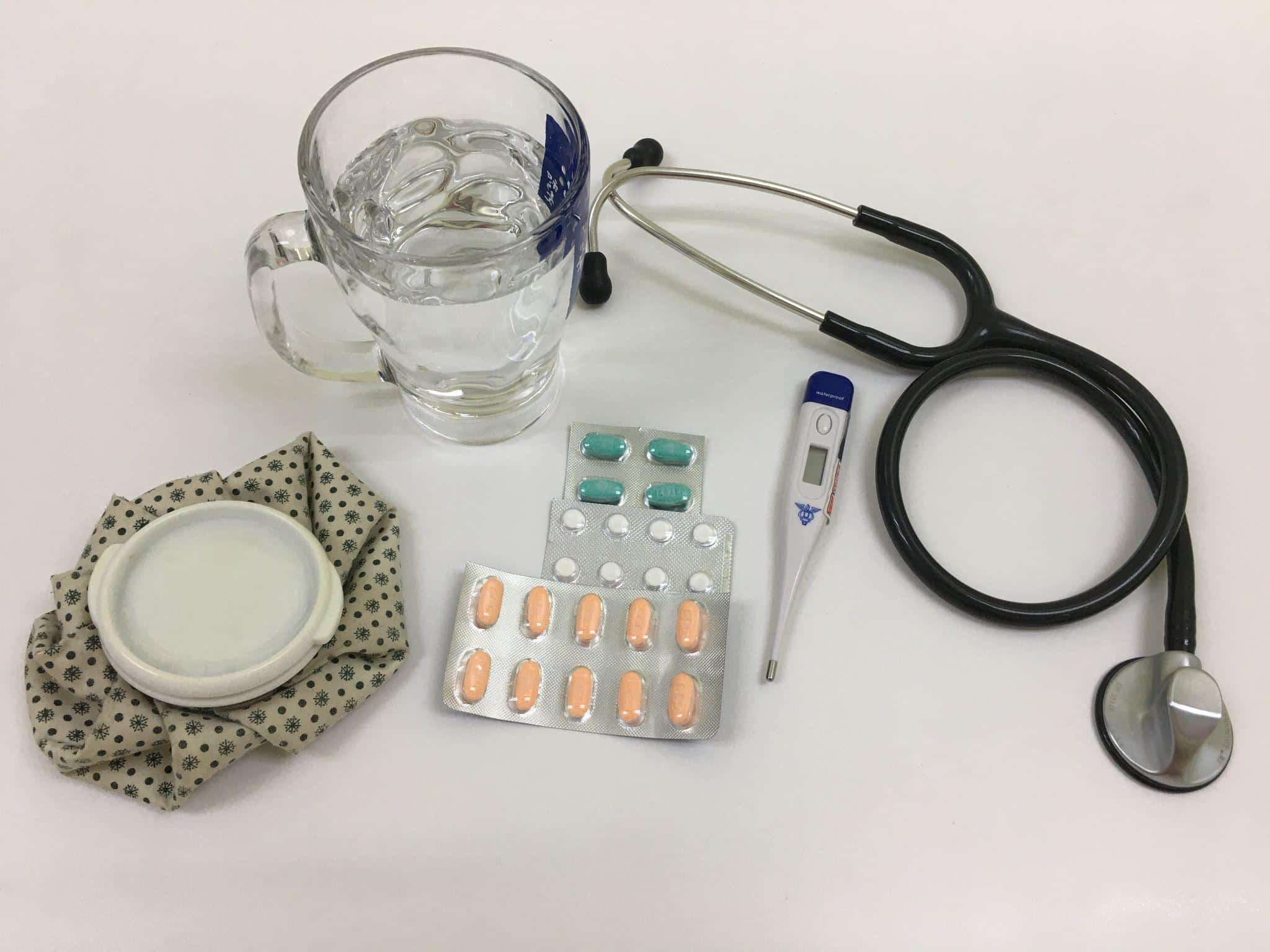
If you’re in pain and your non-opioid medications aren’t working, you can talk to your doctor about using Percocet. Doctors most often prescribe them for post-surgery recovery and cancer pain. This medication can also work as a fever reducer, so it may be effective in helping you get through an infection.

To summarize, speak with your doctor about pain management. You have many options, so you’ll want to hear more about what they can prescribe to you.

Disclaimer: We are not healthcare professionals; this is not healthcare advice. Please contact your doctor if you have health concerns and want to find a treatment.


How useful was this post?

Click on a star to rate it!

Average rating 0 / 5. Vote count: 0

No votes so far! Be the first to rate this post.

We are sorry that this post was not useful for you!

Let us improve this post!

Tell us how we can improve this post?

Editorial Policy: HealthSoothe is dedicated to providing evidence-based, actionable wellness content. Every piece of content or review on our platform is cross-referenced with peer-reviewed medical journals and verified by certified healthcare professionals before publication.

Written by: Isreal Olabanji, certified Dental Nurse (DST, RN), with training in pharmacy, anatomy, and physiology.

Healthsoothe provides general education only. It does not replace advice from your doctor, dentist, or pharmacist. Confirm medicines and doses with a licensed professional before taking them.

Add as Preferred on Google Follow on Facebook Follow on Instagram Follow on Pinterest
Share. Facebook Twitter Pinterest LinkedIn Tumblr Email Reddit WhatsApp
Isreal Olabanji DST, RN
  • Website
  • Facebook
  • X (Twitter)
  • Pinterest
  • Instagram
  • LinkedIn

Isreal Olabanji is a certified Dental Nurse (DST, RN) in Nigeria with a background in pharmacy, anatomy, and physiology. His hands-on clinical experience includes pharmacy and family planning services at the 32 Artillery Brigade clinic, Owena Cantonment, Akure (2012), dental surgery assistance at the State Specialist Hospital, Oke-Aro, Akure (2013) and the State Specialist Hospital, Ikare-Akoko (2014), and work as a dental assistant at the Federal Medical Centre, Owo (2016). Drawing on this experience in patient care, oral health education, public health, and dental instruments, he writes evidence-based dental and oral health content for readers in Nigeria, the United States, and beyond. Follow Isreal on Twitter, Facebook, Instagram, TikTok, Pinterest, or LinkedIn.

Add A Comment

Comments are closed.

Explore Health Calculator

Clinician-Informed Diagnostics

Available ToolsAction
Oral Health Risk AnalyzerCheck Risk
Dental Infection Severity ScaleRate Severity
Dental Cost & Insurance EstimatorEstimate
Page
  • About Healthsoothe
  • Contact us
  • Privacy & Affiliate Disclosure
  • Advertise
  • Blog
  • Become a Consulting Dental Nurse in Nigeria
  • Become a Consulting Pharmacist in Nigeria
  • Become a Consulting Doctor or Dentist
  • Sitemap: Easy Access
Free Health calc
  • BMI & Oral Health Risk Calculator
  • Dental Cost Estimator Calculator
  • Dental Student Practical Calculator
  • FREE Body Fat Calculator for Men and Women | Calculate your Body Fat Using 7 Different Methods
  • Free Dental Infection Severity Calculator
  • Free Oral Health Risk Calculator — Find Your Risk Level
  • Online Calculator Of Golden Ratio Face
Product Reviews
  • Submit a Product
  • Review Policy
  • Brand Partnerships
  • Review Methodology
© 2026 Isreal Olabanji Services World LLC Healthsoothe.com. All rights reserved. Healthsoothe is a registered trademark of Isreal Olabanji Services World LLC. Disclaimer: Statements made, or products sold through this website, have not been evaluated by the United States Food and Drug Administration. Also, National Agency for Food and Drug Administration and Control. They are not intended to diagnose, treat, cure or prevent any disease. Please note that Isreal Olabanji Services World LLC is not affiliated with, or in any way related to, websites that are not specifically Healthsoothe.com. Isreal Olabanji Services World LLC. is not responsible or liable for products sold or shipped from unauthorised sources.

Type above and press Enter to search. Press Esc to cancel.

We value your privacy

We use cookies for Google Analytics and for advertising that helps support Healthsoothe. You can accept or reject them. Rejecting will not affect your use of the site. You can change your choice at any time. See our Privacy Policy.

WhatsApp us