
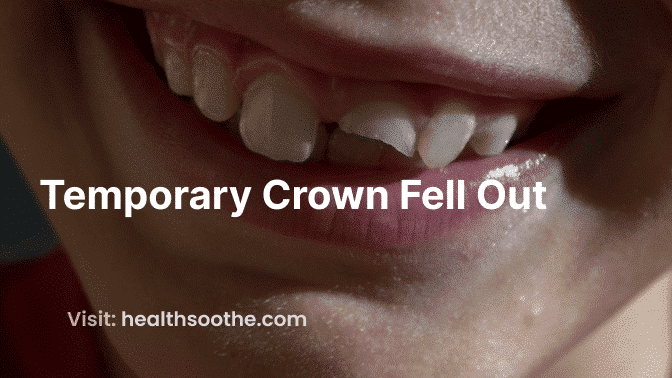
Temporary crowns play a crucial role in the dental restoration process. They protect the underlying tooth structure while a permanent crown is being fabricated.
However, there are instances when a temporary crown may unexpectedly fall out, causing concern and discomfort.
In this article, we will explore the common causes of temporary crown failure, the steps to take when it happens, and the importance of seeking professional dental care.
Why do temporary crowns fall out?
Temporary crowns can become dislodged due to several factors. Some common reasons include an improper fit, weak temporary cement, biting down on hard or sticky foods, trauma or injury to the tooth, or simply the passage of time. It’s essential to understand these causes to take appropriate action when a temporary crown becomes loose or falls out.
Common causes for temporary crown failure
- Improper fit: If the temporary crown does not fit snugly on the prepared tooth, it may be more prone to falling out.
- Weak temporary cement: Temporary crowns are usually secured with temporary cement, which is not as strong as the permanent dental cement used for permanent crowns. In some cases, the temporary cement may weaken or deteriorate, leading to crown displacement.
- Biting down on hard or sticky foods: Chewing on hard or sticky foods can put excessive pressure on the temporary crown, causing it to dislodge.
- Trauma or injury: A blow to the mouth or an accidental fall can dislodge a temporary crown.
- Passage of time: Temporary crowns are designed to be temporary solutions. Over time, the cement may degrade, making the crown more susceptible to falling out.
Read Also: 5 Amazing Reasons to get a dental crown
What to do when a temporary crown falls out:
- Stay calm: Losing a temporary crown can be alarming, but it’s important to remain calm and take immediate action.
- Retrieve the crown: If possible, carefully retrieve the fallen crown, ensuring you handle it by the edges to avoid damaging it.
- Clean the crown: Gently rinse the temporary crown with water to remove any debris or dirt. Avoid using any cleaning agents or toothpaste, as they may damage the crown.
- Assess the tooth: Examine the prepared tooth to ensure there is no damage or sensitivity. If there is severe pain or noticeable damage, contact your dentist immediately.
- Temporary solutions: If the tooth is not damaged and you cannot reach your dentist immediately, you can try temporarily reattaching the crown using over-the-counter dental cement or denture adhesive. Follow the instructions carefully and avoid chewing on the affected side.
- Contact your dentist: Regardless of whether you were able to temporarily reattach the crown, it’s crucial to contact your dentist as soon as possible to schedule an appointment.
Importance of seeking professional help
Seeking professional dental care after a temporary crown falls out is essential for several reasons. Dentists have the expertise and tools to properly assess the situation, ensure the tooth is not damaged, and determine the best course of action.
Delaying professional care may lead to complications, such as tooth sensitivity, further damage to the prepared tooth, or bacterial infections.
Tips for managing discomfort
While waiting for your dental appointment, you may experience discomfort or sensitivity. Here are a few tips to manage it:
- Avoid hot or cold foods: Sensitive teeth can be aggravated by extreme temperatures, so stick to lukewarm or room-temperature foods and beverages.
- Over-the-counter pain relievers: Non-prescription pain relievers like ibuprofen or acetaminophen can help alleviate any discomfort. Follow the recommended dosage instructions.
- Dental wax: If the exposed area is causing irritation, you can apply dental wax to create a temporary barrier between the tooth and your oral tissues.
Avoiding further complications
Neglecting a missing temporary crown can lead to complications. These may include increased sensitivity, potential damage to the prepared tooth, or the risk of bacterial infections.
By promptly seeking professional dental care, you can avoid these issues and ensure the long-term success of your dental restoration.
Preventive measures
To reduce the risk of temporary crown failure, it’s important to follow these preventive measures:
- Adhere to post-crown placement instructions: Your dentist will provide specific instructions on how to care for your temporary crown. Follow them diligently to ensure their stability.
- Maintain good oral hygiene: Brush and floss regularly to keep your teeth and gums healthy. This will help prevent any underlying dental issues that could compromise the temporary crown.
- Be cautious with your diet: Avoid chewing on hard or sticky foods that can put excessive pressure on the temporary crown.
- Regular dental check-ups: Attend routine dental check-ups so your dentist can monitor the condition of your temporary crown and address any concerns before they escalate.
Conclusion
Experiencing a temporary crown falling out can be concerning, but by following the appropriate steps and seeking professional dental care, you can address the issue effectively. Remember, it’s crucial to stay calm, retrieve the crown, and contact your dentist promptly.
By taking these actions and practising preventive measures, you can ensure the success of your dental restoration and maintain optimal oral health.
FAQ 1: Q: What should I do if my temporary crown falls out?
A: If your temporary crown falls out, it's important to contact your dentist as soon as possible. In the meantime, you can try to gently clean the crown and tooth, and if it's undamaged, you can attempt to reseat it temporarily using over-the-counter dental cement or denture adhesive. Avoid chewing on that side of your mouth until you can see your dentist.
FAQ 2: Q: Why do temporary crowns sometimes come loose or fall out?
A: Temporary crowns are designed to be temporary and are not as securely bonded as permanent crowns. They can occasionally come loose or fall out due to factors such as weak bonding agents, chewing on sticky or hard foods, or inadequate fit or retention. This is why it's important to see your dentist promptly if it happens.
FAQ 3: Q: Can I just leave the temporary crown out until my next dental appointment?
A: It's not advisable to leave the temporary crown out for an extended period. The temporary crown helps protect the prepared tooth and maintain proper alignment with adjacent teeth. Leaving it out can lead to shifting of the surrounding teeth or increased sensitivity and discomfort in the exposed tooth.
FAQ 4: Q: Will I experience any pain or sensitivity after the temporary crown falls out?
A: It's possible to experience some sensitivity or discomfort after a temporary crown falls out, especially when eating or drinking. The underlying tooth may be more exposed and sensitive to temperature changes or pressure. Contact your dentist for guidance on managing any discomfort until you can get the crown reattached.
FAQ 5: Q: Can I just reattach the temporary crown myself without seeing the dentist?
A: While it may be possible to temporarily reattach the crown using over-the-counter dental cement or denture adhesive, it's still essential to see your dentist. They will evaluate the crown and tooth, ensure a proper fit, and use professional dental materials and techniques to securely reattach the temporary crown or provide a suitable alternative solution.