

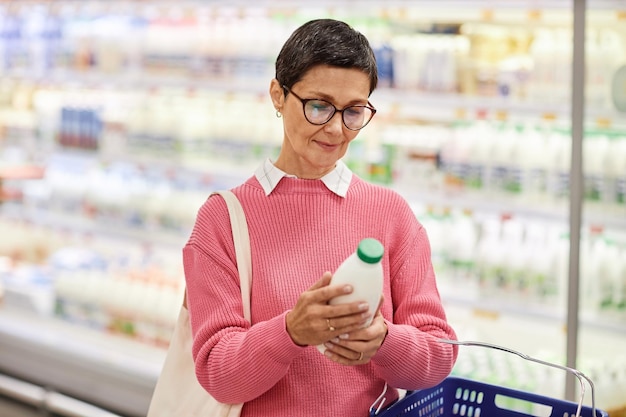
Most of us pay attention to expiry dates on food or medicine, but many people overlook the fact that everyday products can change over time too. From personal care items to household supplies, expiry dates exist for good reasons. Ignoring them can affect performance, safety, and in some cases, your health.
This article explores why products expire, how to interpret expiration and best-before dates, what happens when items age, and how to get the most out of the products you use every day. We will also look at some practical tips for storage, safety, and knowing when to discard a product.
Why Products Have Expiry Dates
Expiry dates serve as a guideline to guarantee quality and safety. Manufacturers determine these dates based on:
- Chemical stability: Many products contain active ingredients that break down over time.
- Safety concerns: Some formulations can grow bacteria or lose effectiveness.
- Regulatory requirements: Certain types of items require labeling by law.
You might think expiry dates mainly apply to food or medicine, but they also exist for items like sunscreen, makeup, adhesives, and skincare.
Products that are used on the skin or in sensitive areas should be handled with extra care. These include lotions, oils, creams, and ointments — all of which may change over time.
If you want a detailed explanation of how one specific everyday product behaves as it ages and whether it loses its properties, this article on whether Vaseline expires and how to check it offers clear insight.
Understanding this helps you apply expiration guidelines to other similar formulas.
How Expiry Dates Are Determined
Expiration dates are not arbitrary. They are based on controlled testing by manufacturers, who observe how a product’s performance changes over time under various conditions. This process includes:
Chemical Analysis
Formulations are monitored to see how active ingredients degrade.
Microbial Testing
Especially for products with water content, bacterial growth is a concern.
Packaging Interaction
Some ingredients may react with packaging materials over time, affecting stability.
Consumer Usage Patterns
Real-world trials help determine how long a product lasts after opening.
All of these factors help companies decide expiration or best-before dates. Some products have “use by” dates (indicating safety), while others have “best before” dates (indicating quality).
Difference Between “Use By”, “Best Before”, and “Expiration”
Understanding product date labels helps you make better decisions.
- Use By: This date is about safety. It’s usually found on foods and medicines. You should not use the product after this date.
- Best Before: This date refers to quality, not safety. The product may still be safe after this date, but it might not work as effectively or taste/feel the same.
- Expiration: A clear point at which the manufacturer can no longer guarantee performance or safety.
Knowing these can reduce waste and help you get the most from each product without compromising safety.
How Everyday Products Can Change Over Time
Different products age in different ways.
Textural Changes
Creams and lotions may separate or feel greasy instead of smooth.
Smell Changes
Oxidation or breakdown of ingredients can lead to off smell.
Color Shifts
Exposure to light or heat can alter colors.
Reduced Performance
Ingredients that protect, moisturize, or heal may become less effective.
Microbial Growth
Products that contact water or air can develop bacteria or mold.
These changes are subtle at first but become more noticeable as the product ages.
Storage Conditions Matter
Where and how you store a product can dramatically affect how long it lasts.
Avoid Heat and Light
Excessive heat speeds up chemical breakdown. Keep products in a cool, dry place away from direct sunlight.
Keep Containers Sealed
Air exposure accelerates oxidation and contamination. Always close lids tightly.
Avoid Moisture
Bathrooms may be convenient, but they are humid, which can affect stability. Use a dry cabinet if possible.
Good storage can extend the life and quality of many products, even beyond the date on the package — but only if you’re certain they remain stable.
How to Tell If a Product Has Gone Bad
Visual and sensory cues are the easiest way to check a product’s condition.
Look For
- Separation of layers
- Clumping or graininess
- Discoloration
Smell For
- Chemical smell
- Rancid or sour odor
Feel For
- Gritty or tacky texture
- Unexpected thickness or thinness
If a product shows any of these signs — especially smell changes — it’s safer to discard it.
Skincare Products and Expiry
Skincare items often contain sensitive formulas designed to interact with your skin’s chemistry. Using expired or degraded products on the skin can lead to:
- Irritation or redness
- Breakouts or clogged pores
- Reduced effectiveness against specific concerns
Many skincare lines include expiration dates or indications of how long the product lasts after opening, often represented by a symbol like “12M” (meaning 12 months after opening).
Understanding the importance of timely use helps you maintain skin health and avoid adverse reactions.
Adhesives and Household Items
Even non-cosmetic items like adhesives, sealants, or wax products change over time. For instance:
- Strong glues lose stickiness
- Wax products become brittle
- Some oils can separate or oxidize
For these products, the consequences are not health-related but affect performance and reliability.
Why Expired Products Can Be Risky
Using expired products can pose issues depending on the type of product:
- Lost effectiveness: Sunscreen or anti-itch creams may no longer deliver protection or relief.
- Skin reactions: Degraded formulas may irritate the skin.
- Contamination: Especially in products with water, bacteria can grow.
Even if a product doesn’t cause harm, it might not work as intended. Being aware of changes can keep your routine effective.
Best Practices for Managing Expiry
Here are steps you can take to manage products more effectively:
Label Products After Opening
Use a marker to note the date you first opened an item.
Follow Manufacturer Instructions
Check packaging for storage details and specific expiry terms.
Rotate Your Stock
Especially for items you keep in bulk, use older products first.
Buy Sensibly
Only purchase what you need so items do not sit unused for long.
These habits save money, reduce waste, and protect safety.
Expiry and Shelf Life in Different Categories
Different types of products have different typical shelf lives:
- Medications: Often require strict adherence to expiration dates.
- Food: Some are safe past the date but may lose texture or flavor.
- Cosmetics and Skincare: Best used within months of opening.
- Household supplies: Shelf life varies widely; check labels.
Understanding category differences helps you judge how urgently a product needs to be replaced.
When to Seek Professional Advice
With health-related products, if you are unsure about a product’s safety or effectiveness, ask a professional. Pharmacists, dermatologists, and healthcare providers can help interpret labels and advise safe usage.
For example, expired medical creams or therapeutic products might still be usable under certain conditions, but only a professional can clarify that confidently.
The Economics of Expiry
Throwing out products early can feel wasteful, but using them when they are unsafe or ineffective can cost more in the long run. Balancing cost with safety and performance is key.
Being mindful about purchase quantities and disposal helps households manage budgets effectively.
The Environmental Impact of Discarding Products
Expired products contribute to waste streams. When throwing items away, consider:
- Recycling packaging if possible
- Donating unopened items before expiry
- Choosing sustainable brands
Understanding expiry helps you reduce unnecessary waste and choose better products.
The Future: Better Labels and Consumer Awareness
As consumer awareness grows, companies are starting to make labels clearer. Some use:
- Clearer expiry vs. quality indicators
- QR codes linking to stability information
- Smart packaging that changes color with age
These innovations help consumers feel more confident about product longevity.
Conclusion
Expiry dates are more than numbers on a label. They represent the point at which a manufacturer can no longer guarantee a product’s performance or safety. Whether it’s lotion, cream, household glue, or skincare, knowing how products age helps you make better decisions.
Proper storage, mindful use, and attention to changes in texture, smell, or performance are all part of responsible product management. While some products may still be safe after their best-before dates, knowing how to evaluate them helps protect your health and improves the value you get from each purchase.
And when you encounter products with confusing or unfamiliar labels, turning to detailed, trusted explanations — like the one linked above about checking expiry — can help you understand what those dates really mean.
